
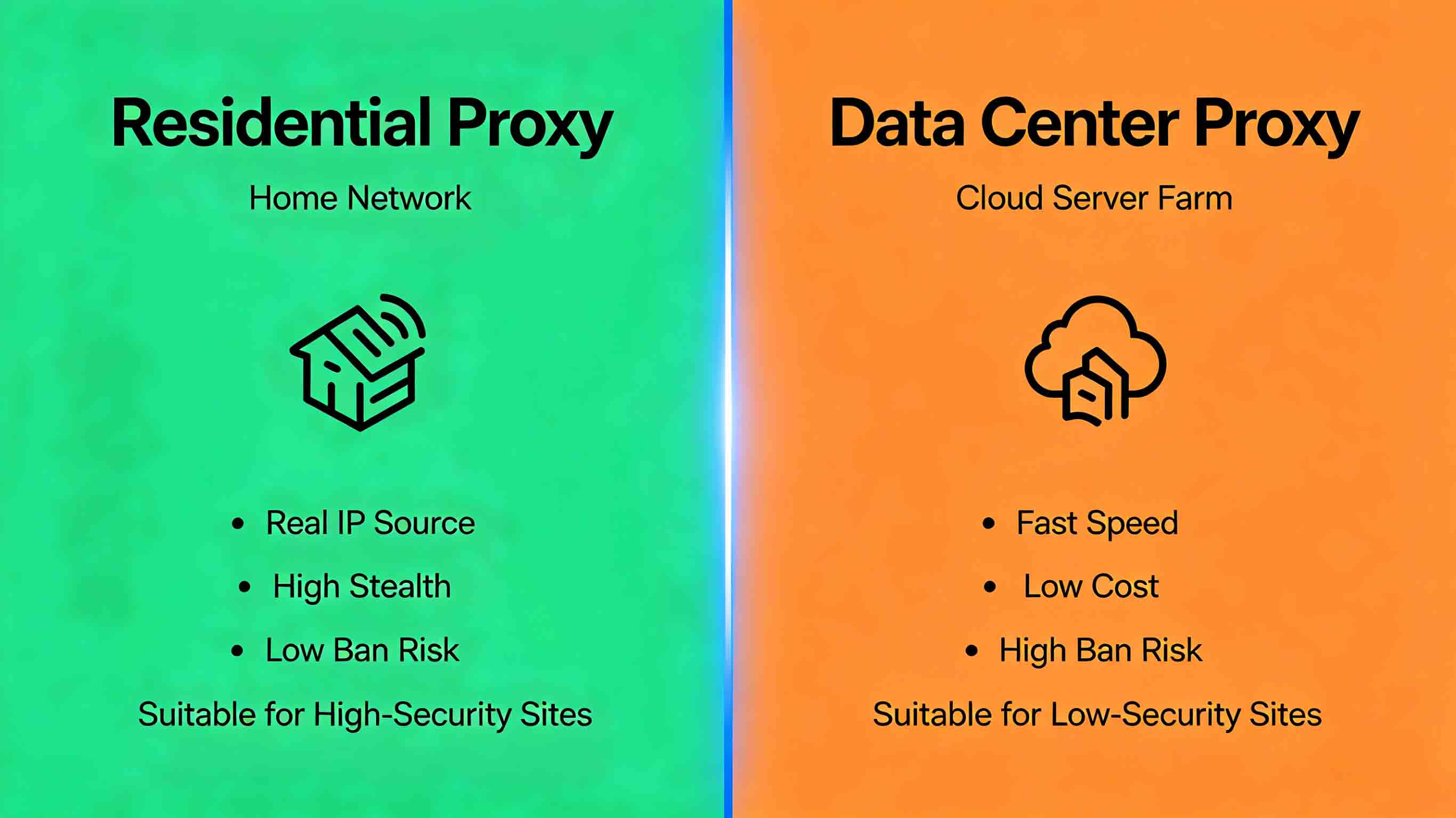
Web Scraping Proxy Comparison: Residential IP Checks
Compare web scraping proxies by residential IP quality, rotation control, sticky sessions, location accuracy, retry cost, and validation logs.
Agent IP information2026-06-10
Compare web scraping proxies by residential IP quality, rotation control, sticky sessions, location accuracy, retry cost, and validation logs.
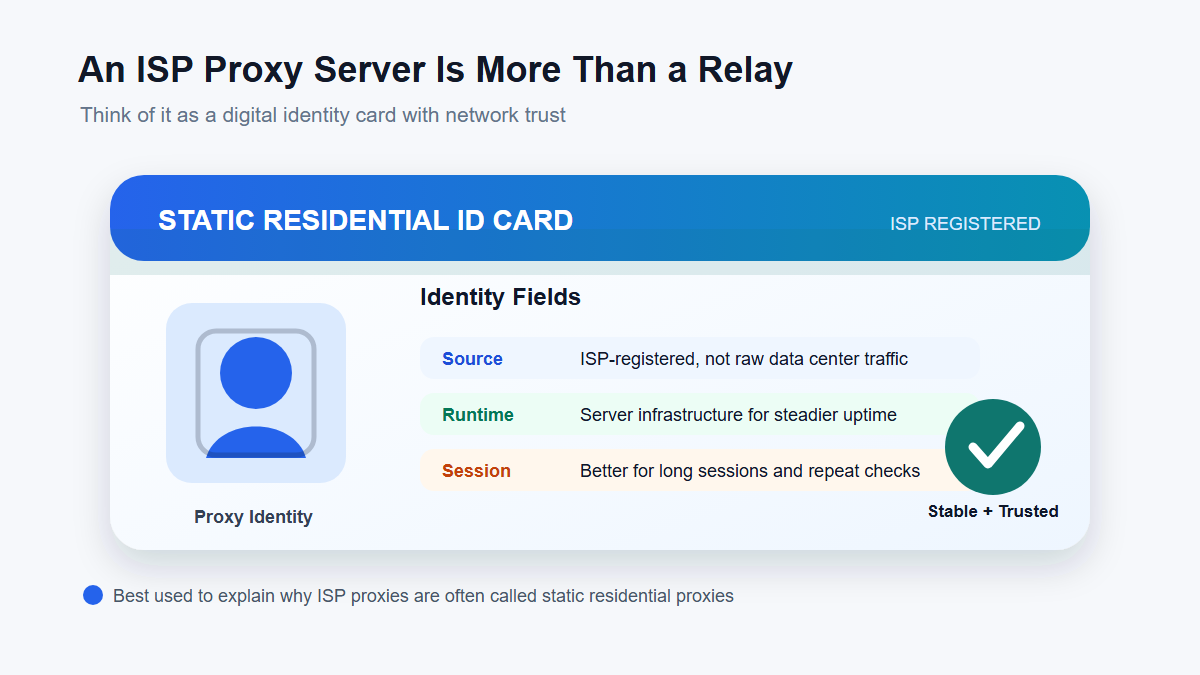
Define ISP proxy servers, static residential identity, session stability, region checks, business use cases, limits, and comparison boundaries.
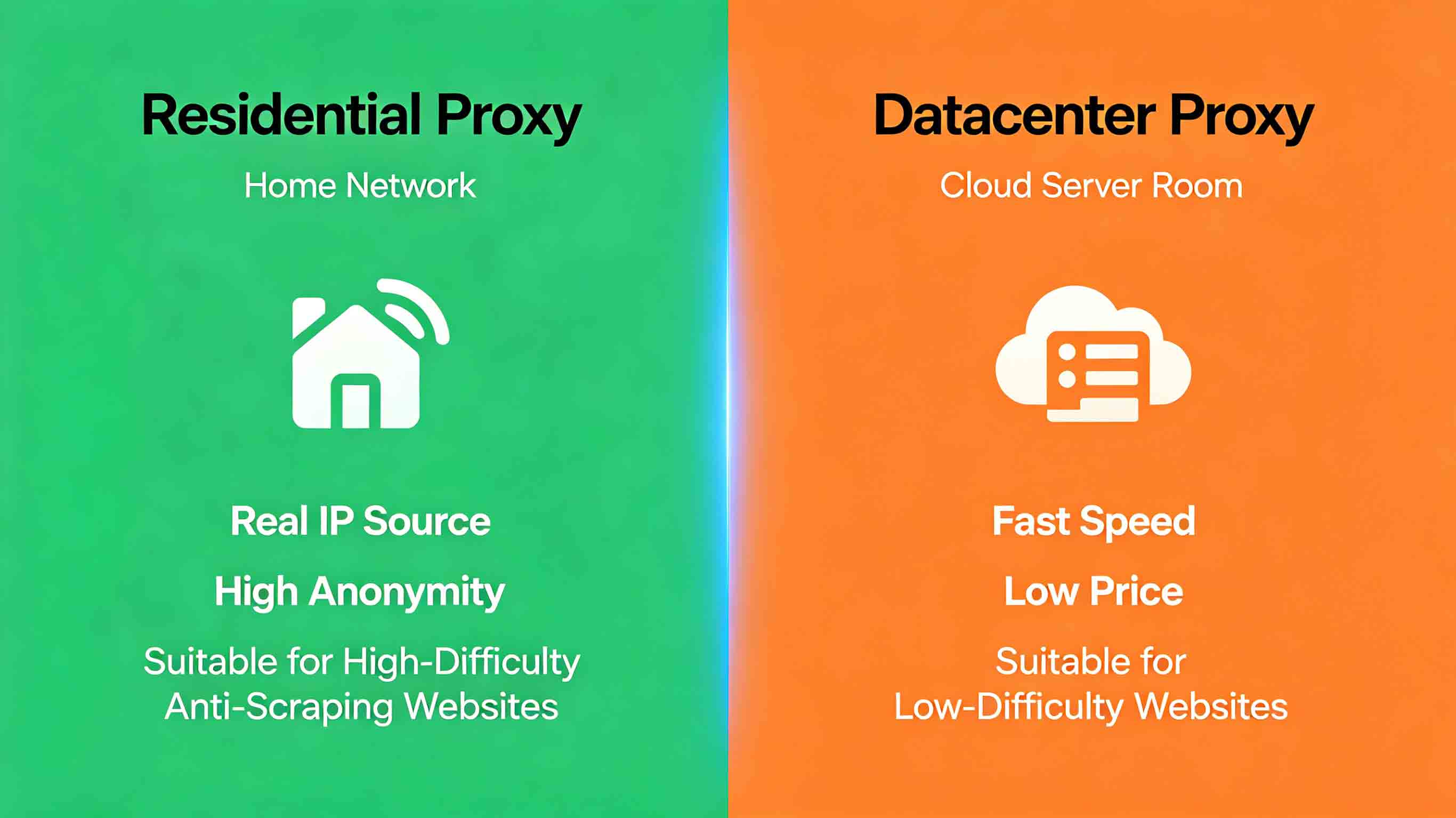
Build a web scraping proxy workflow with dynamic residential rotation, static review, region checks, retry limits, logs, and usable sample metrics.
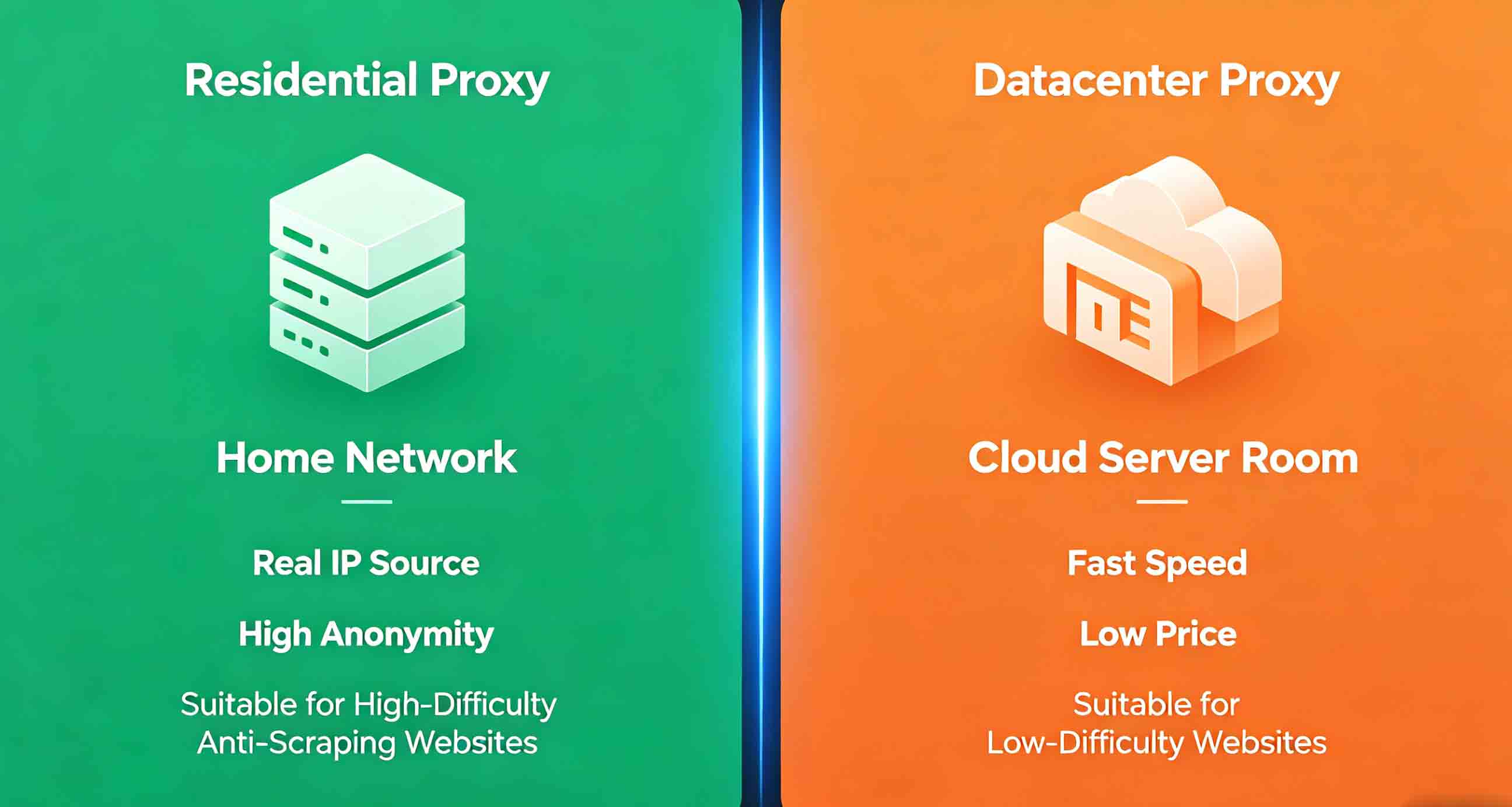
Learn what web scraping proxies are, why proxy IPs matter, and how to compare residential and data center proxy options safely.
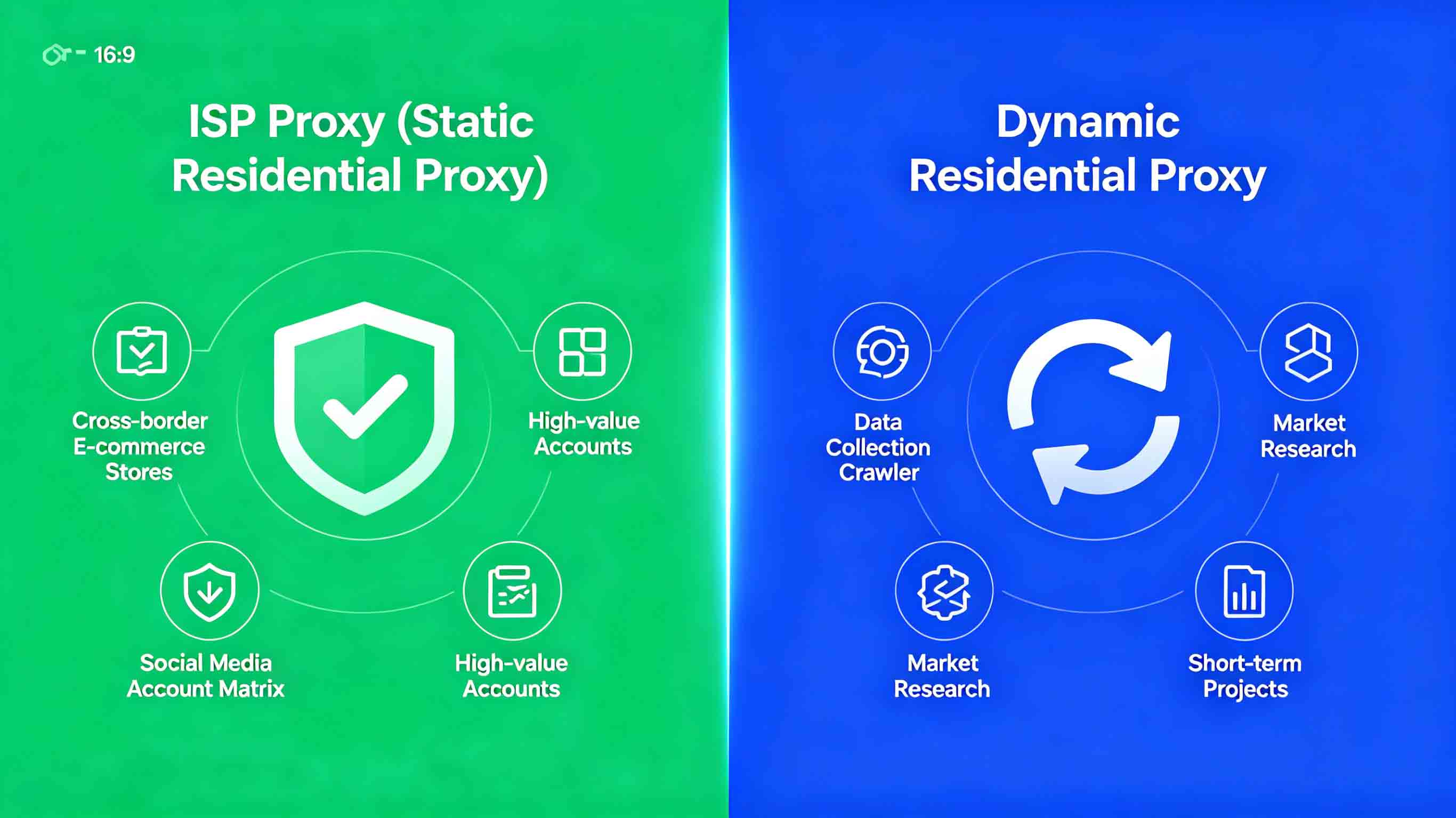
Wondering which proxy type fits your business? This guide breaks down ISP vs residential proxies by use case—so you stop wasting money on the wrong tool.
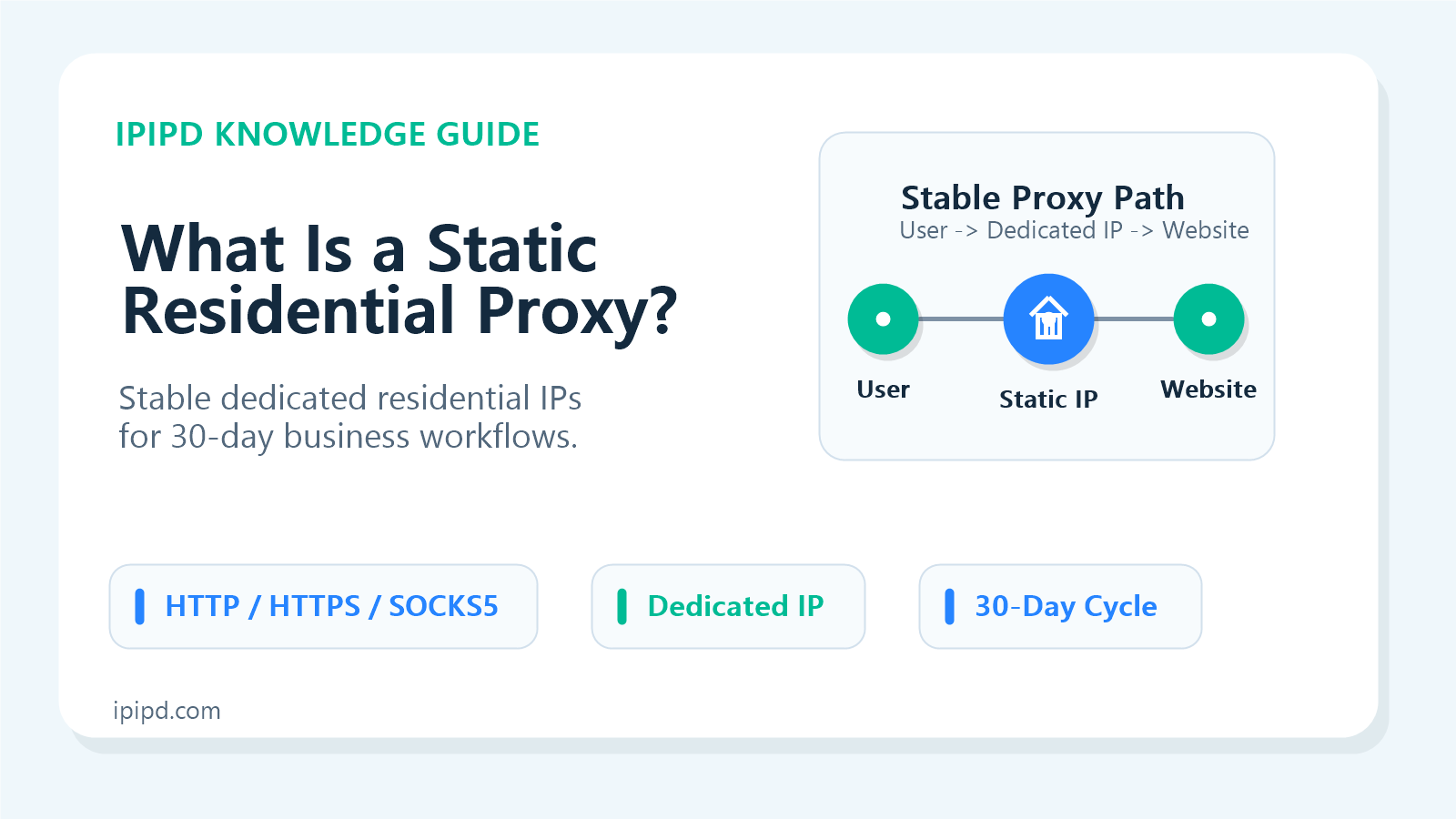
Learn what a static residential proxy is, how it works, how it differs from rotating and datacenter proxies, and when to use a dedicated 30-day residential IP.
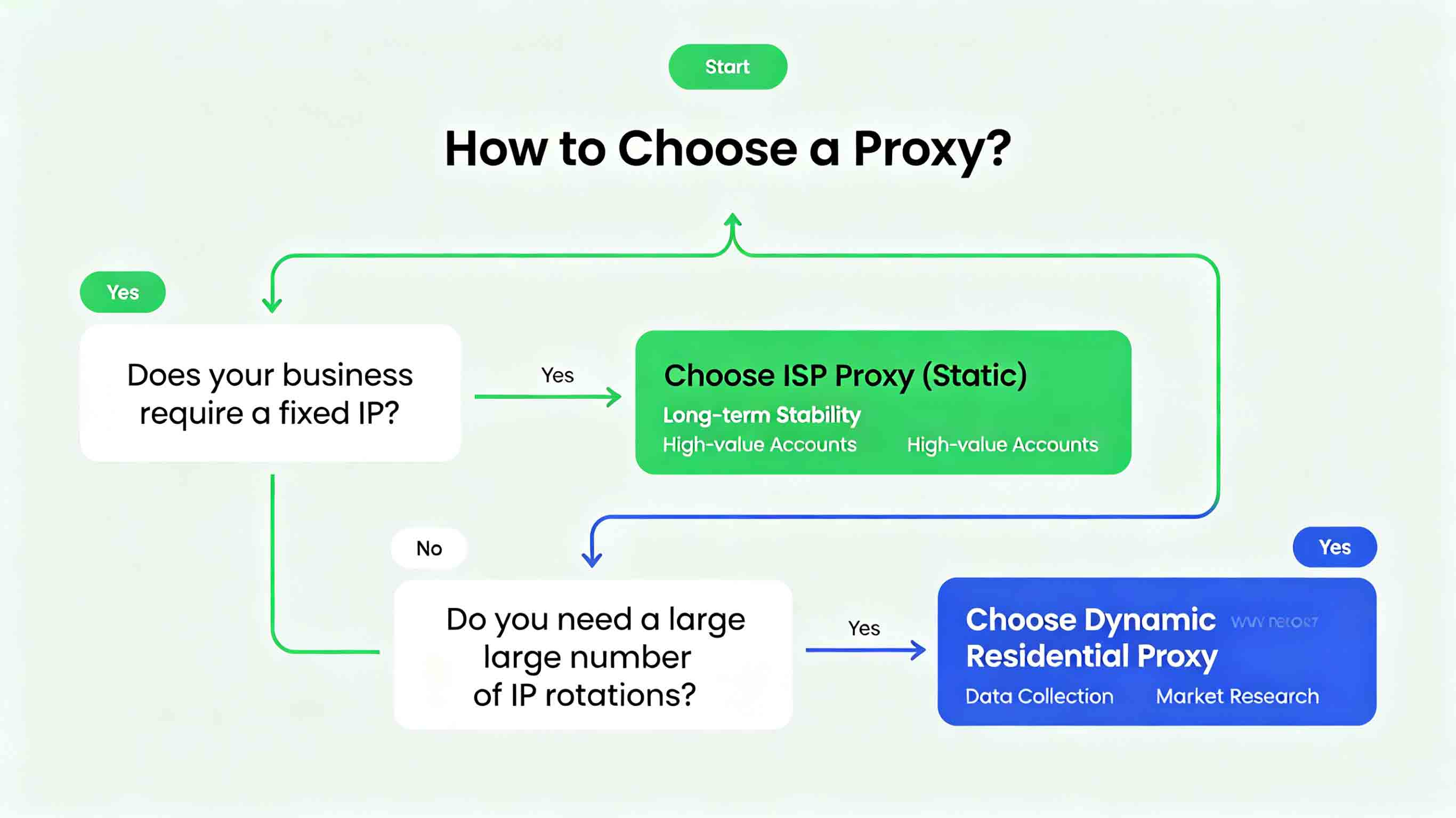
Compare ISP proxies and residential proxies by stability, trust, use case, and cost so you can choose the right option for your workflow.
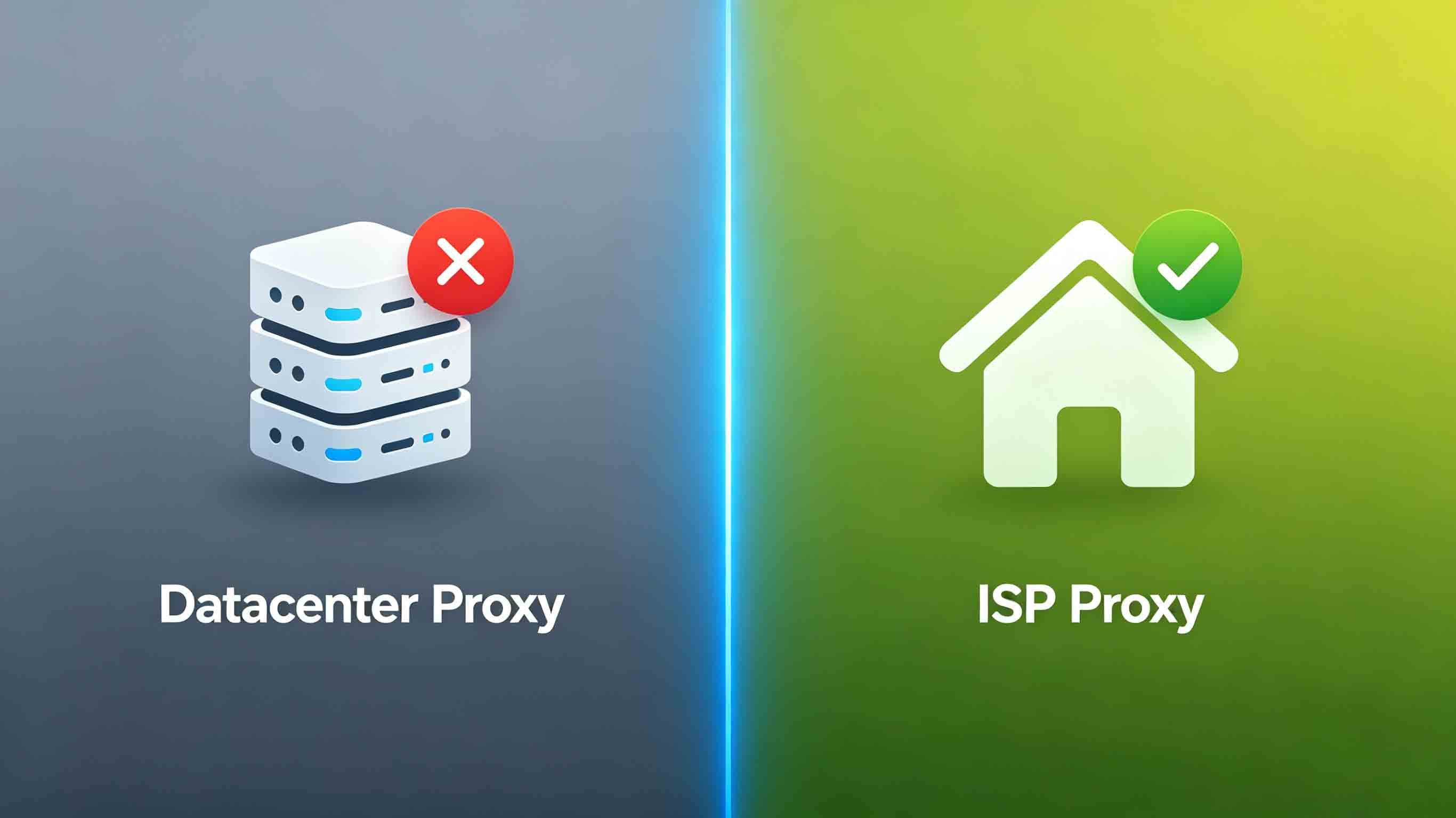
Understand ISP proxies through static residential use cases, session stability, region consistency, account workflows, speed expectations, and cost checks.
Review data center proxy ban risk for account sessions, region checks, public data workflows, static residential review, and dynamic coverage evidence.
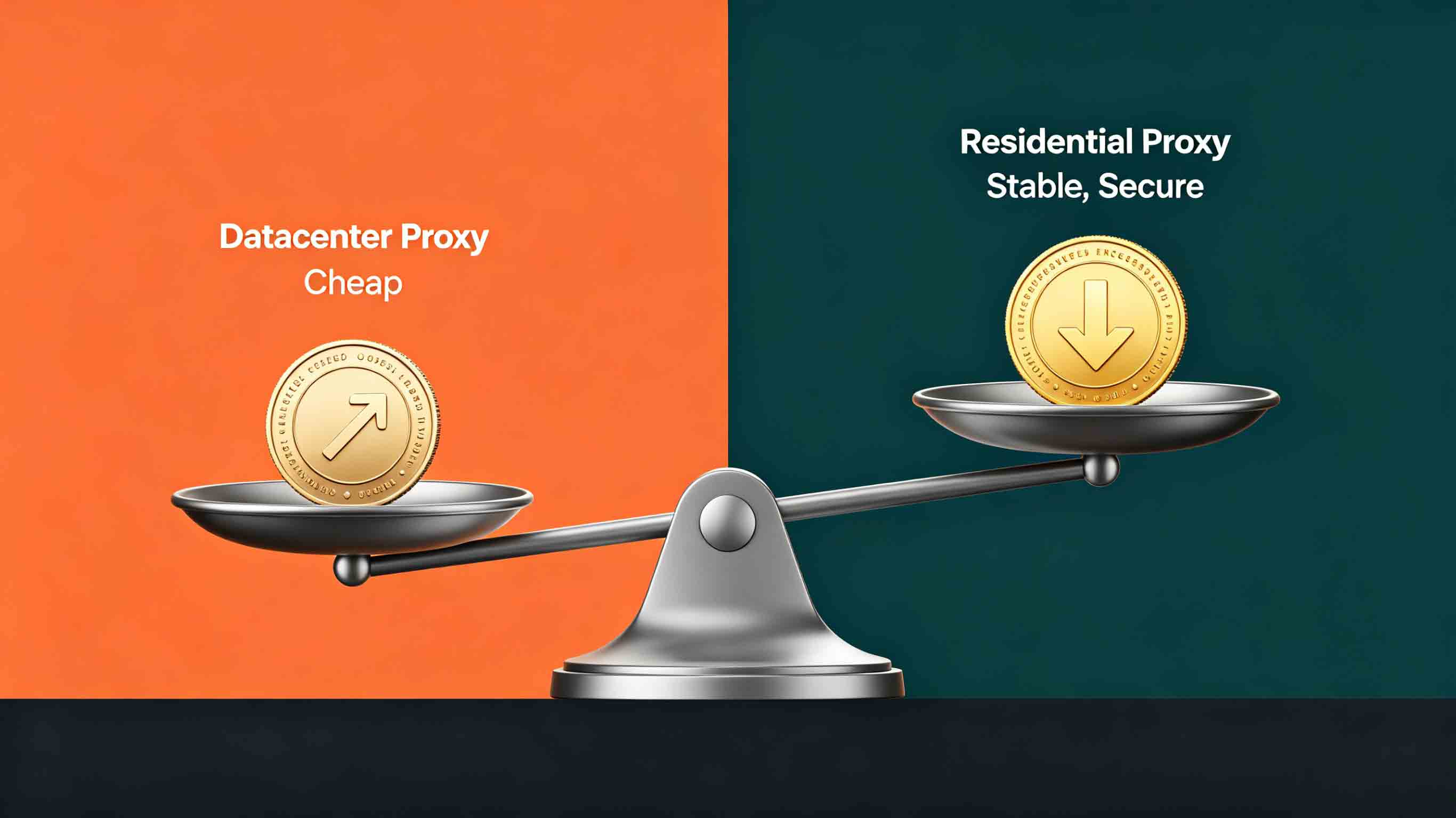
What is data center proxy? Learn the pros and cons, when to use it, and why pros prefer paying more for residential proxies instead.
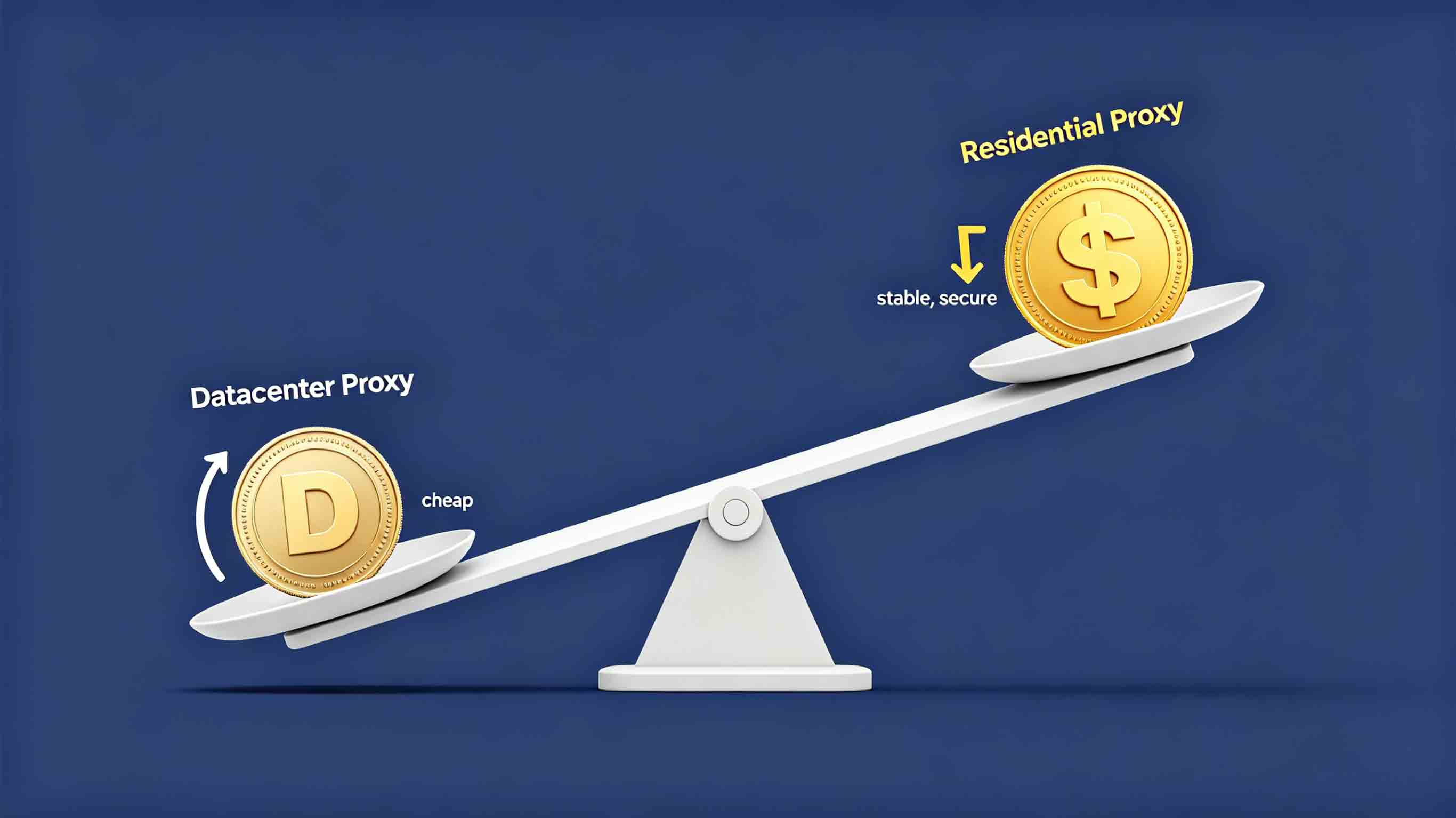
Review data center proxy risk in account, regional QA, scraping, and monitoring workflows, then decide when static or dynamic residential addresses fit.
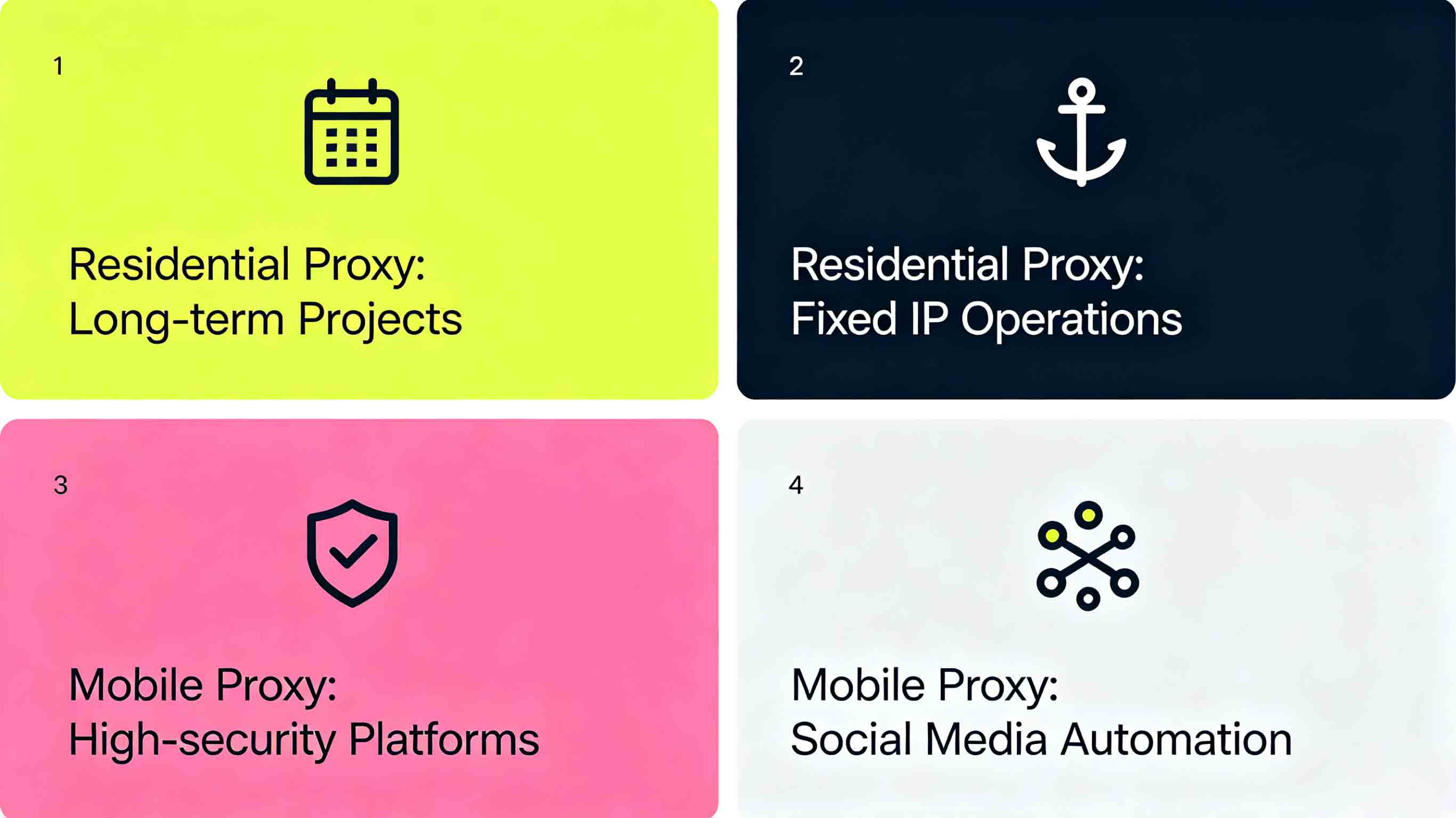
Compare residential vs mobile proxies by business fit, session needs, regional testing, public data checks, cost control, and IPIPD product boundaries.