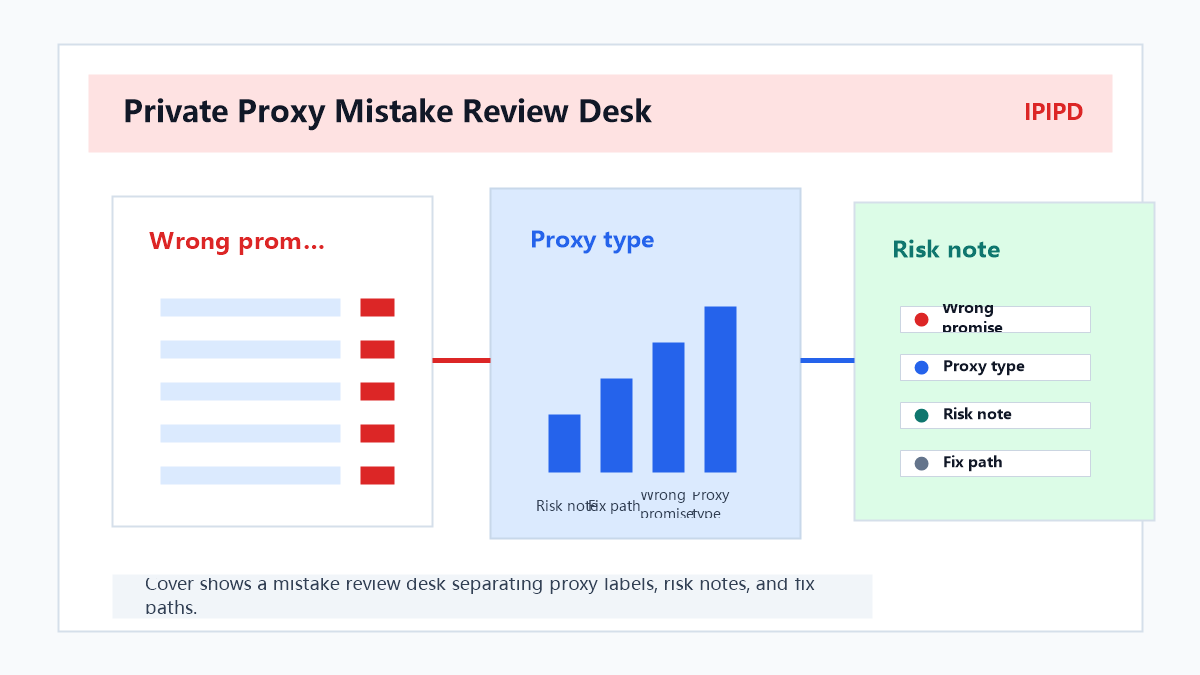
Private Proxy Mistakes: Cheap IPs and Wrong Tasks
Review private proxy mistakes around cheap IP decisions, poor reputation, wrong task fit, account risk, and residential proxy alternatives.
Agent IP information2026-07-27
Review private proxy mistakes around cheap IP decisions, poor reputation, wrong task fit, account risk, and residential proxy alternatives.
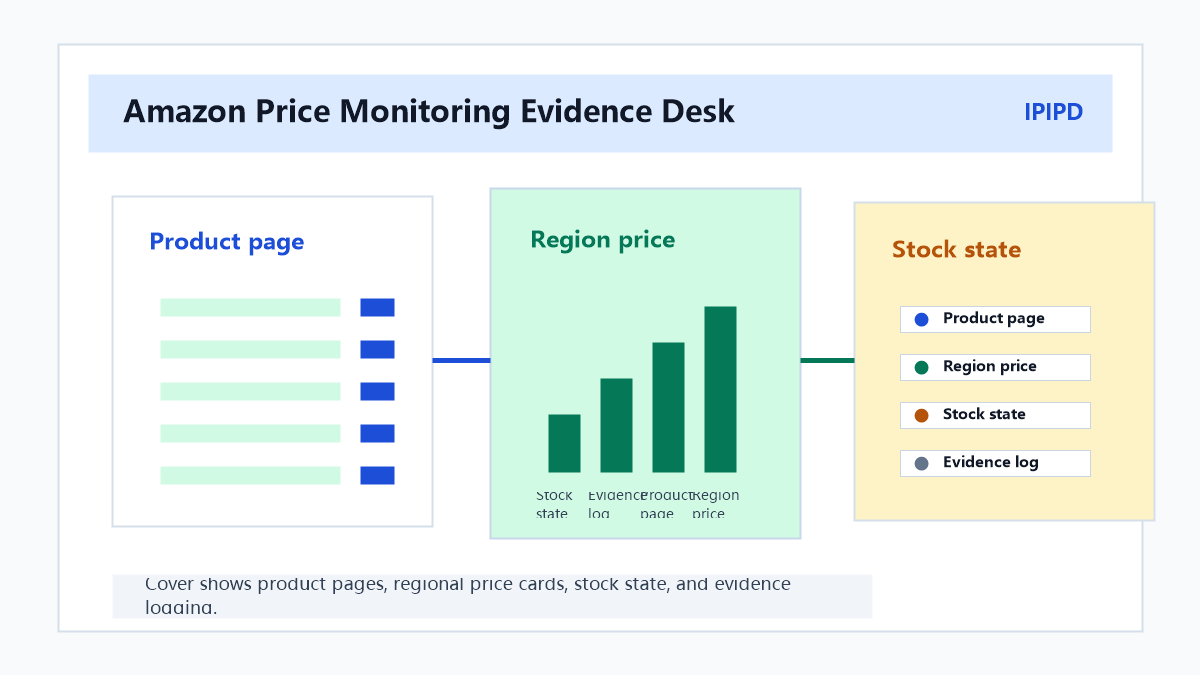
Use residential proxies for authorized Amazon price monitoring, regional checks, workflow design, data-quality review, and cost control.
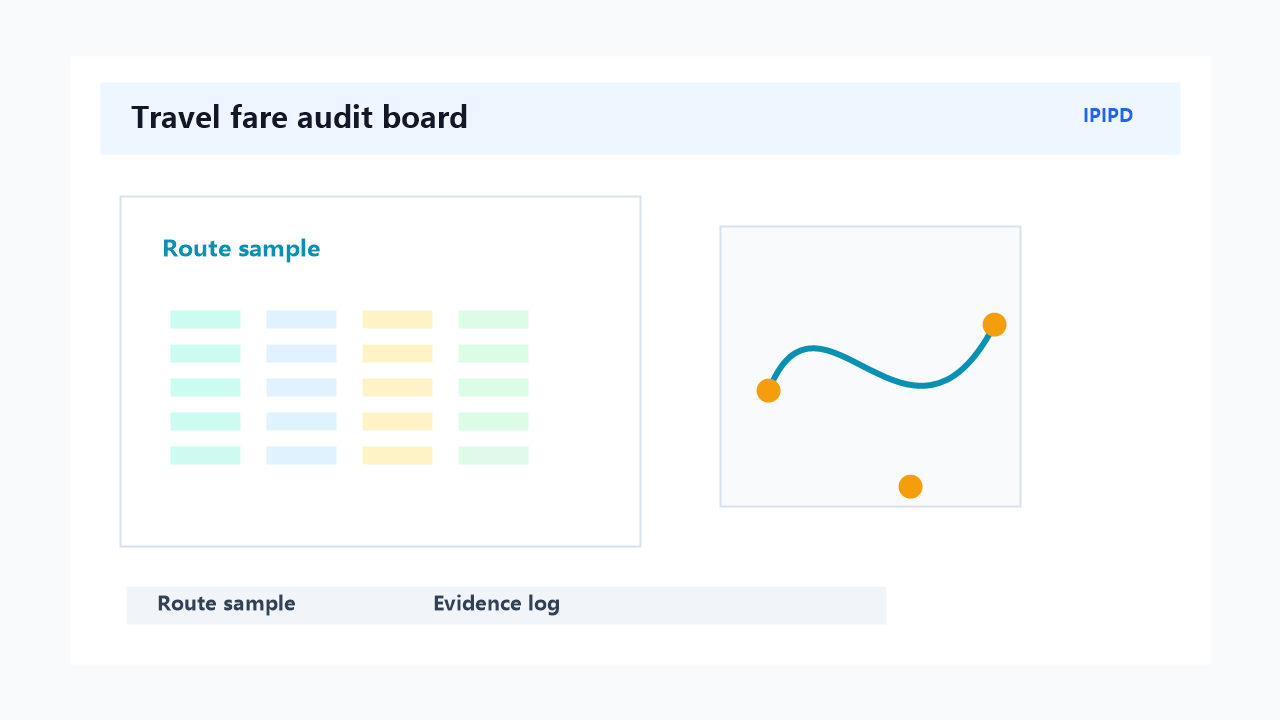
Learn how to use a proxy for travel fare aggregation with labeled route samples, regional checks, static validation, retry limits, and reviewable fare evidence.
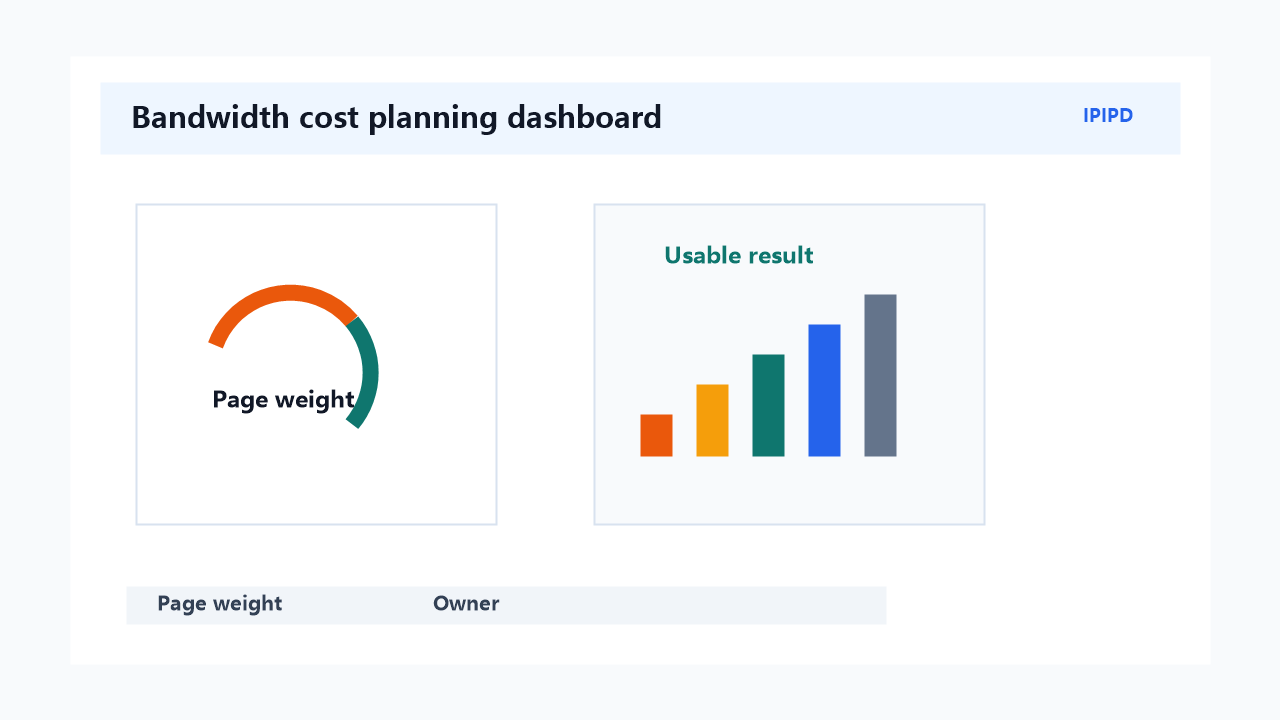
Evaluate rotating proxies unlimited bandwidth claims by bandwidth planning, usable result cost, retry limits, and IPIPD dynamic residential address
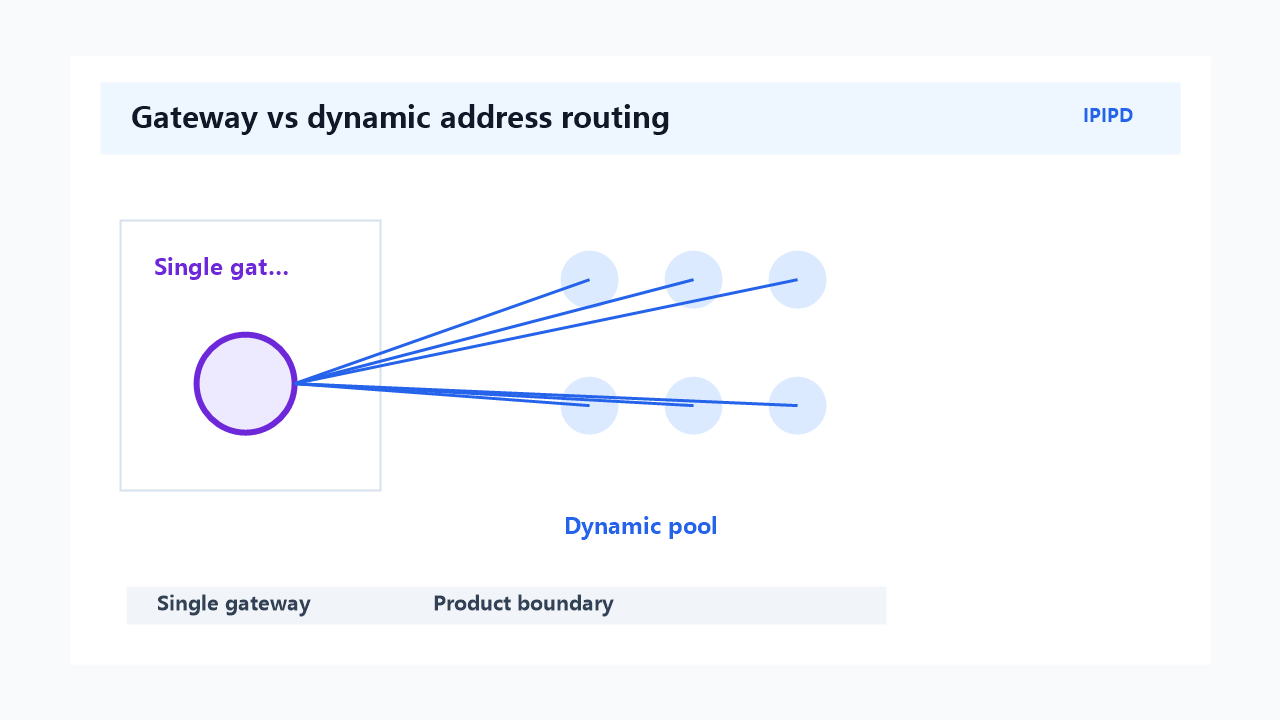
Explain backconnect proxies as a routing concept and compare them with dynamic residential addresses without presenting backconnect as an IPIPD product.
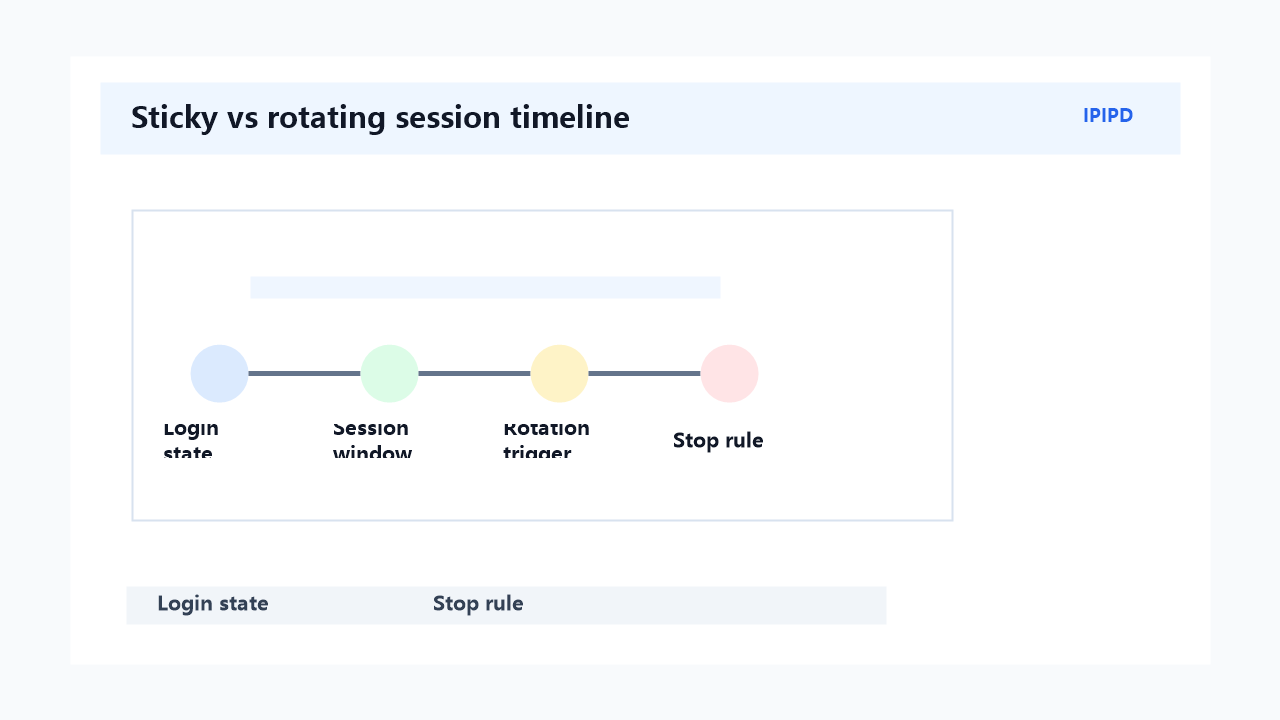
Compare sticky vs rotating proxies by session duration, workflow state, retry design, and when IPIPD dynamic or static residential addresses fit.
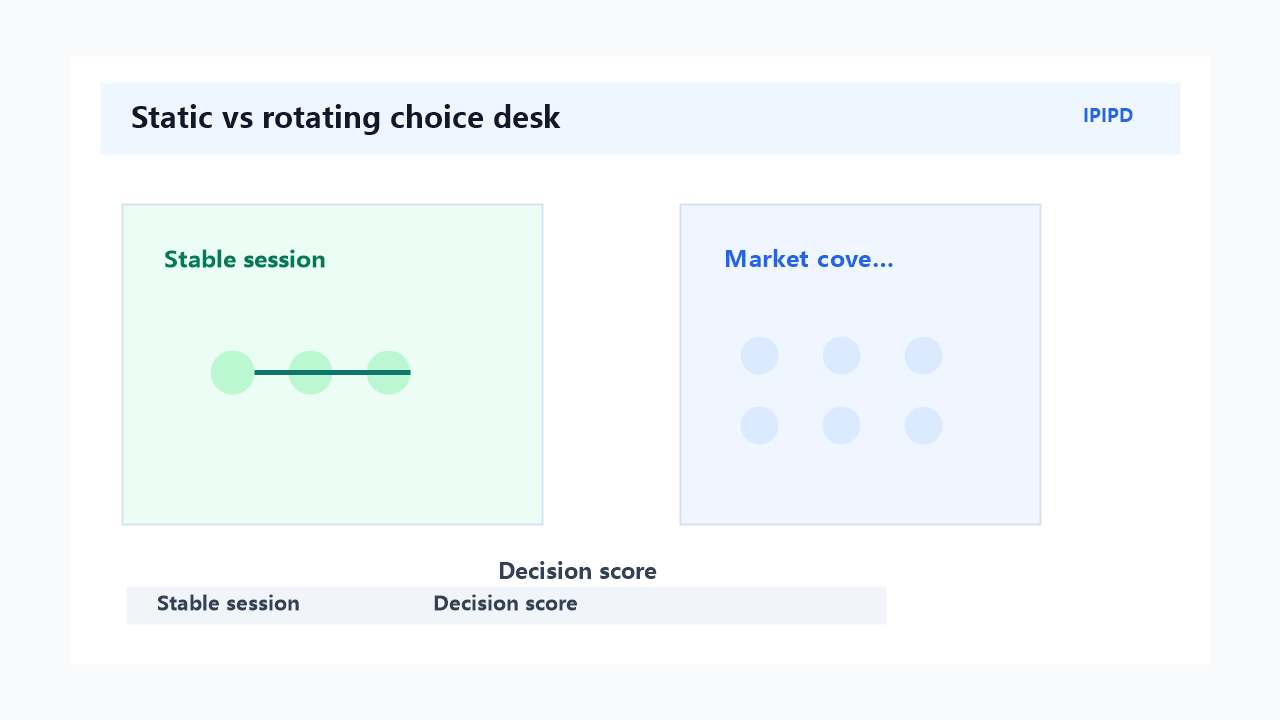
Compare static vs rotating proxies by continuity, coverage, session behavior, and business evidence while mapping choices to IPIPD residential addresses.
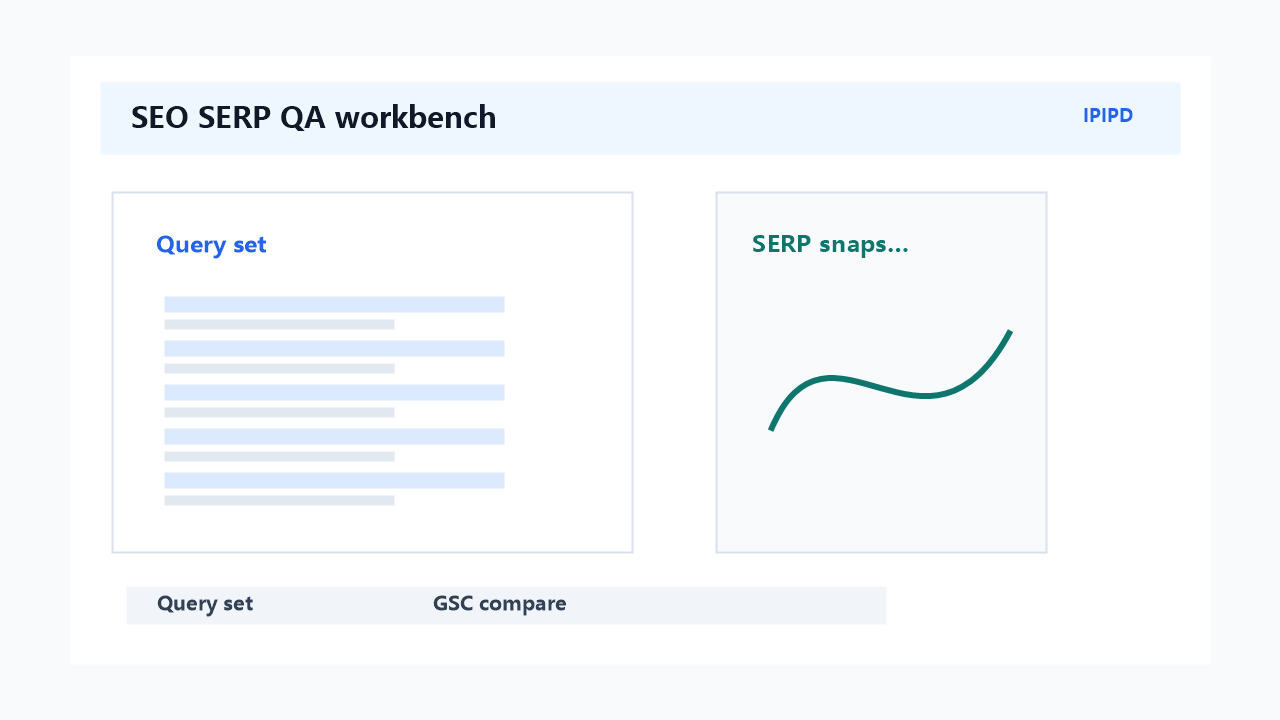
Use SEO proxies for rank checks, local SERP QA, and evidence logs while keeping IPIPD aligned with static and dynamic residential address products.
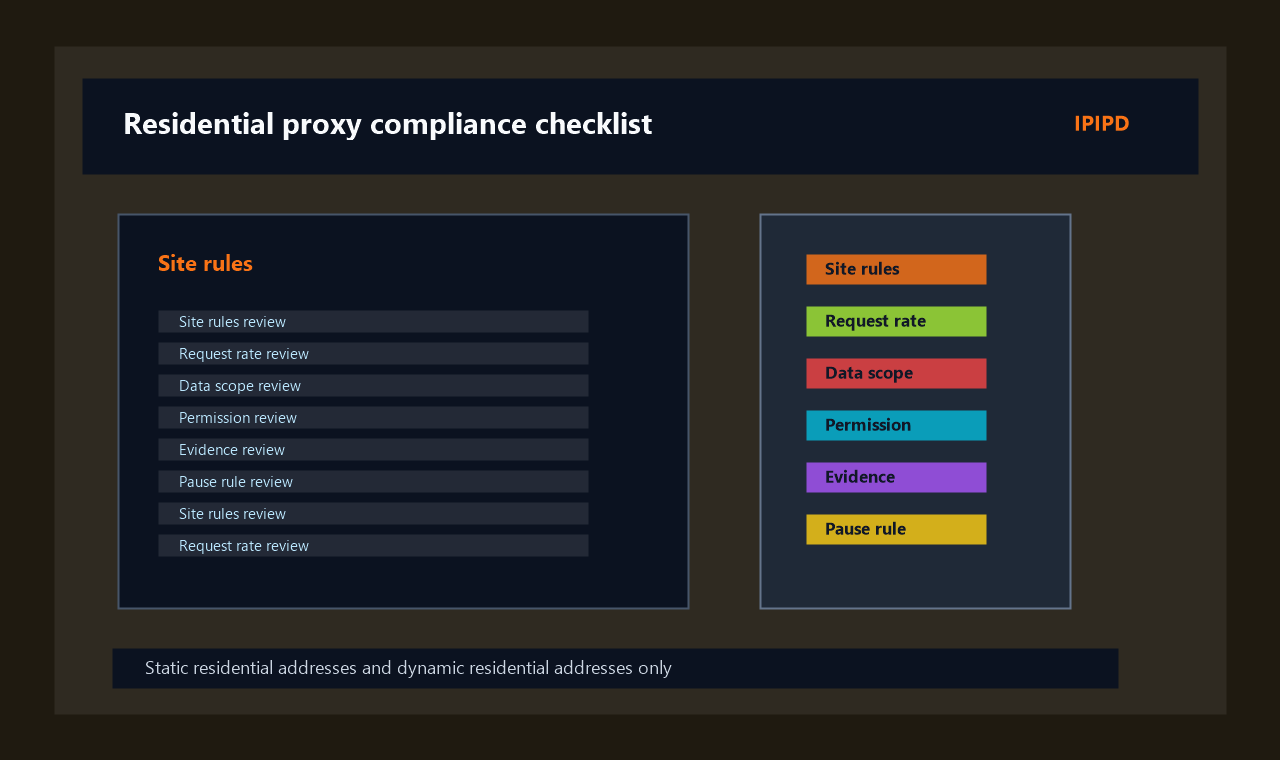
Use this residential proxy compliance checklist to review public data use, rate limits, privacy boundaries, evidence, and product fit.
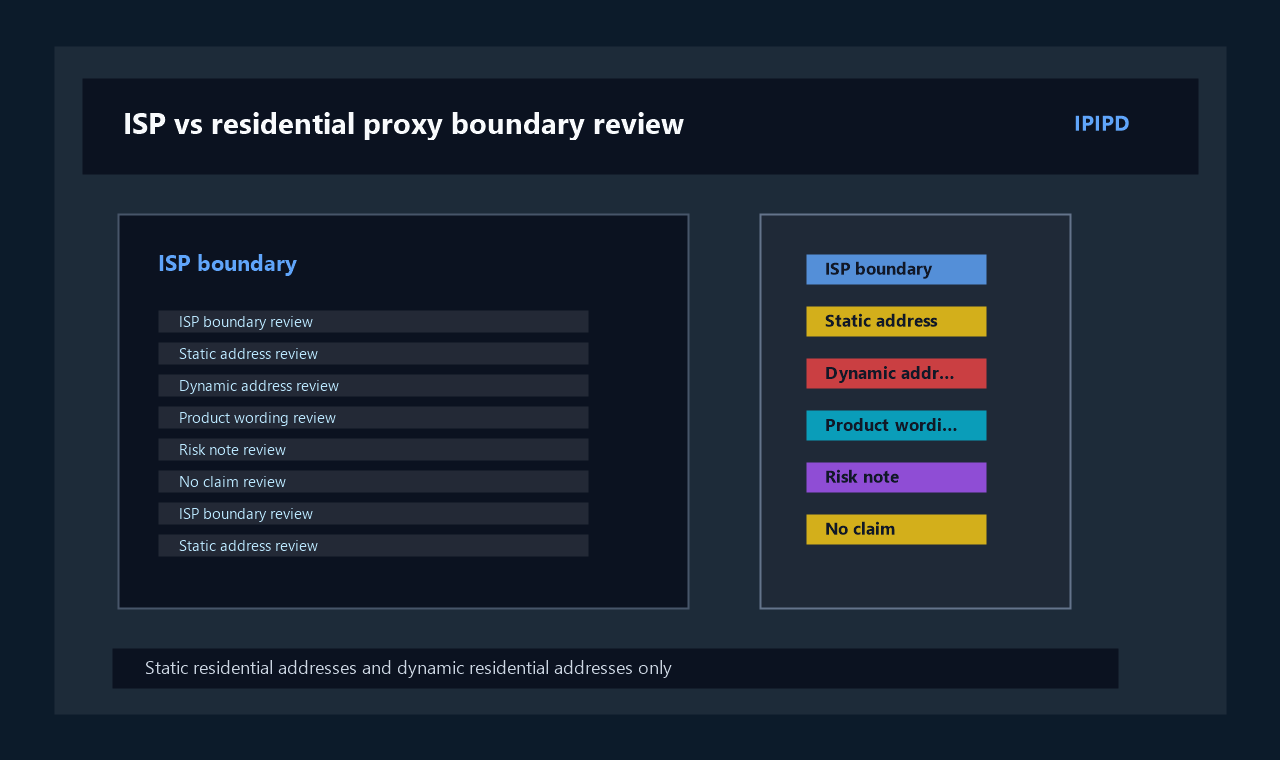
Understand ISP proxy vs residential proxy differences, where static and dynamic residential addresses fit, and what IPIPD does not claim.
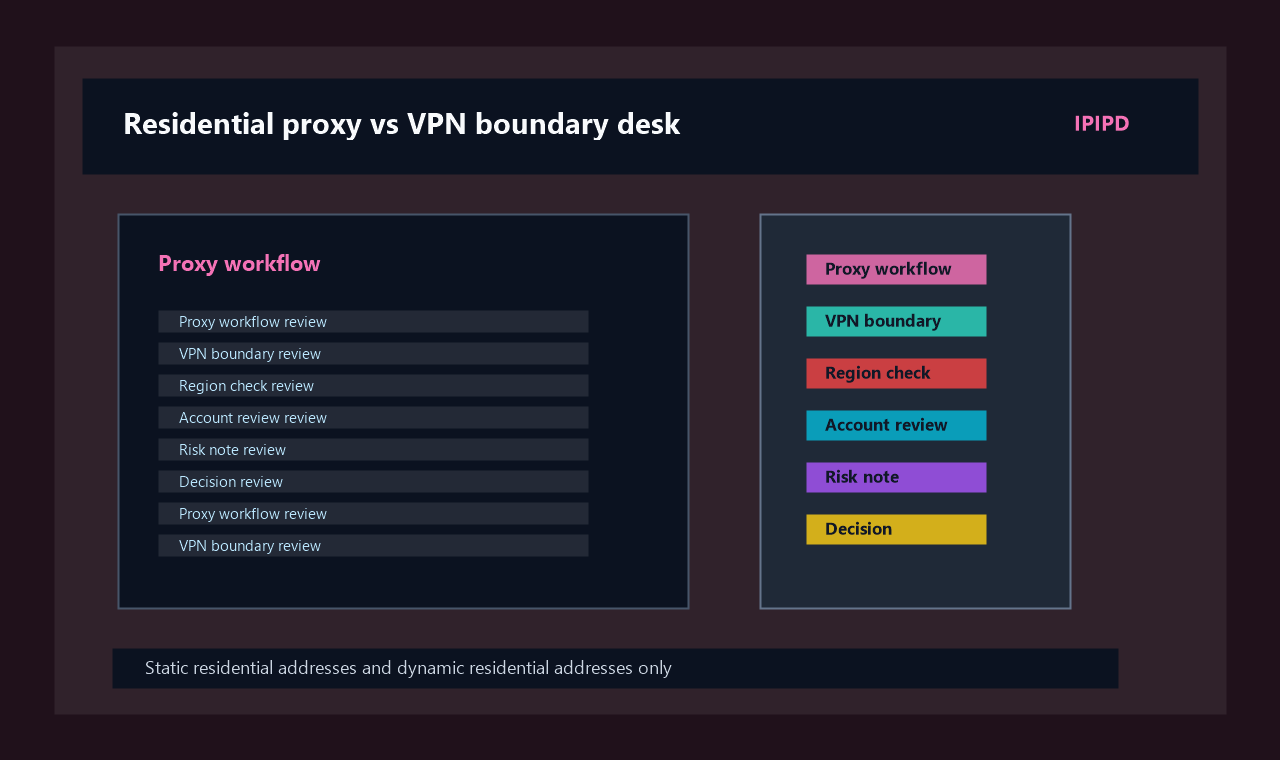
Compare residential proxy vs VPN for business workflows, including static residential addresses, dynamic rotation, privacy limits, and fit.
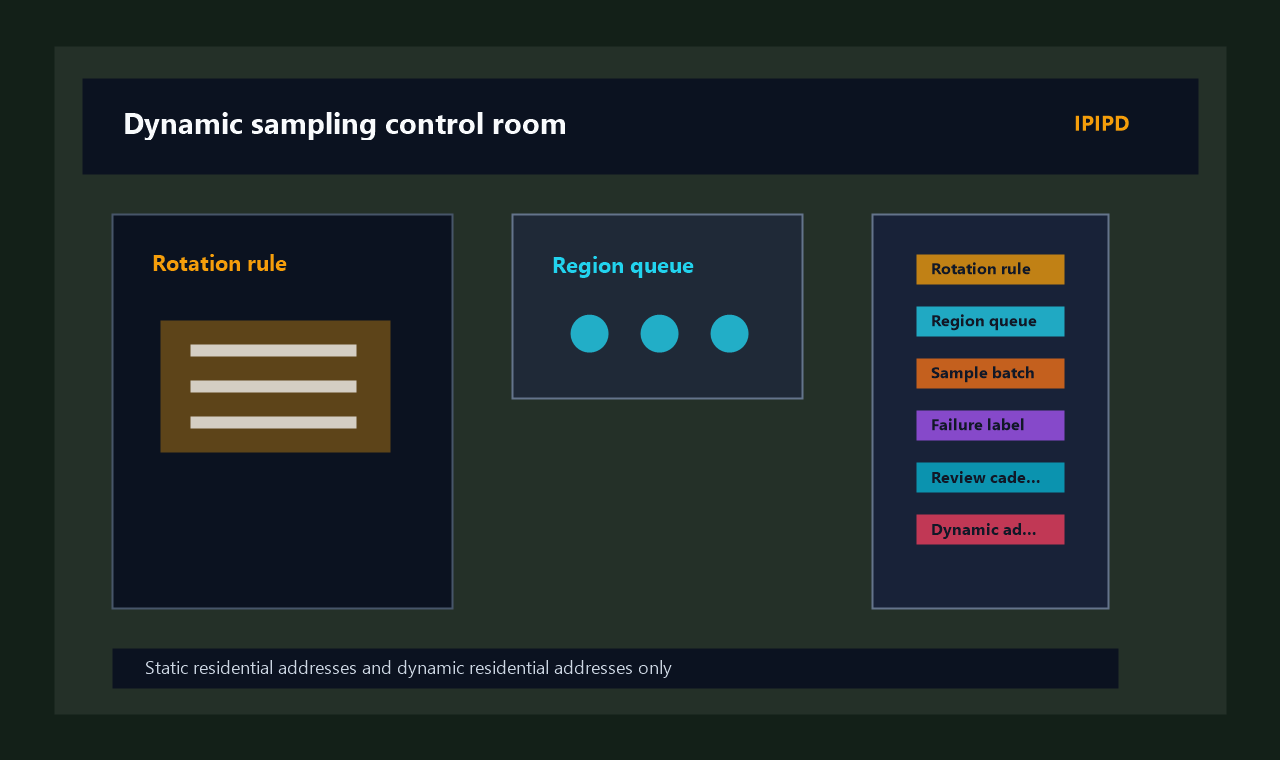
Build a dynamic residential proxy sampling strategy with rotation rules, region labels, retry limits, and usable-result evidence.