Rotating proxies unlimited bandwidth is a tempting search phrase, but bandwidth alone does not decide whether a proxy workflow is efficient.
The useful question is how much traffic, time, and retry effort are required to produce one usable business result.
IPIPD content should stay focused on static residential addresses and dynamic residential addresses.
Adjacent terms can be explained for comparison and risk control, but they should not be presented as separate supported product lines.
Quick Answer: bandwidth is not the final metric
The page-weight section should estimate traffic footprint before scaling requests.
IPIPD content should not promise unlimited bandwidth unless the product actually says so.
The safer and more useful angle is bandwidth planning for dynamic residential addresses: target page weight, request frequency, retry limit, and evidence quality.
Basic Facts: define the cost unit first
Item
Explanation
Core point
Unlimited bandwidth claims still need cost and success-rate review.
IPIPD boundary
Do not describe unlimited bandwidth as an IPIPD promise.
Best metric
Cost per usable result, not traffic volume alone.
Control lever
Retry caps, page weight, target grouping, and sampling frequency.
A rotating proxy plan should be evaluated by a cost unit. For SEO checks, the unit may be one complete market report. For ecommerce monitoring, it may be one usable product price.
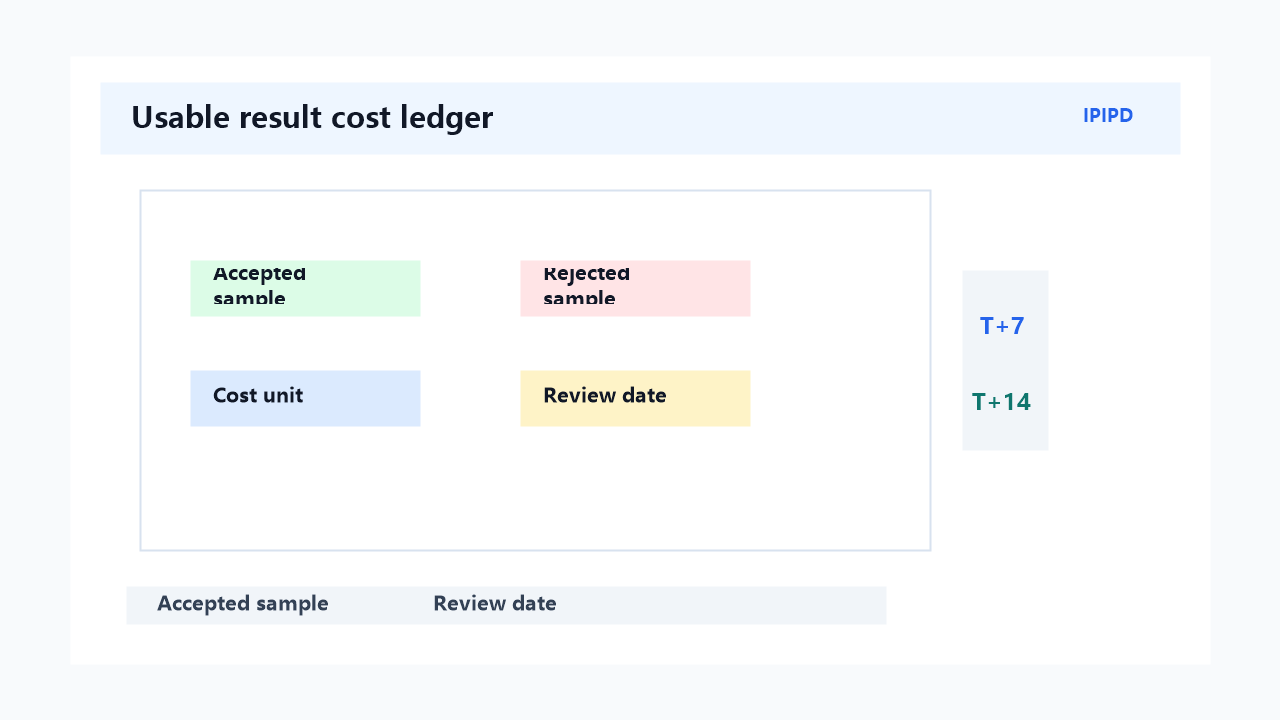
Retry control keeps bandwidth planning tied to usable results rather than raw request count.The final ledger records usable-result cost, evidence quality, and review timing.
Frequently Asked Questions
Does IPIPD promise unlimited bandwidth rotating proxies?
This article should not make that claim. It explains bandwidth planning and cost review for residential proxy workflows.
What is the best metric for bandwidth planning?
Cost per usable result is usually better than raw traffic volume.
Why do retries affect bandwidth cost?
Every retry consumes traffic and time. Uncontrolled retries can multiply cost without improving data quality.
Should dynamic and static addresses be combined?
For QA, it may be one verified landing page state. Raw traffic volume is only one input.
This matters because a workflow can use little bandwidth and still fail, or use more bandwidth and produce reliable evidence. The team should measure usable results, not only megabytes transferred.
Why unlimited bandwidth wording can mislead
Unlimited wording can hide constraints such as fair-use limits, concurrency caps, target restrictions, or quality differences.
Even when bandwidth is generous, the workflow may still be limited by response quality, location accuracy, latency, or retry behavior.
A serious evaluation of rotating proxies unlimited bandwidth should ask what happens under failure.
Does the task retry forever, pause after a cap, change regions, or mark the target for review? Without that rule, bandwidth planning is incomplete.
Estimate page weight before proxy volume
Page weight changes the budget quickly.
A simple HTML page, a search result page, a product page with images, and a JavaScript-heavy page can have very different traffic footprints.
If the team ignores page weight, proxy cost estimates will be unstable.
Start by measuring a small sample. Record transferred bytes, response time, required fields, and whether the page state is usable. Then multiply by realistic frequency, not by an optimistic perfect-success assumption.
Control retries before expanding traffic
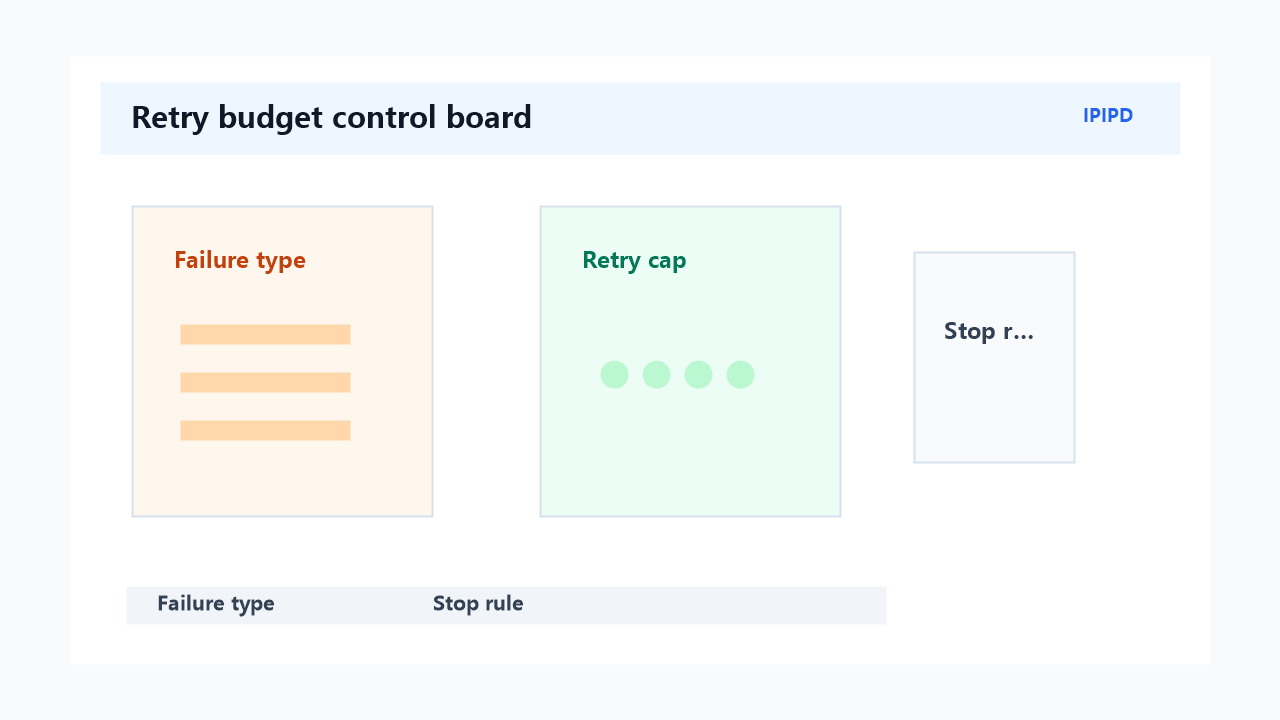
Retries are often the hidden cost. A workflow that retries five times can multiply bandwidth, latency, and target load without producing better data. The better rule is to classify failure and apply a small retry cap.
Dynamic residential addresses should be used with intentional retry design. Rotate after specific failures, pause on repeated blocks, and keep a review queue for targets that behave differently from the rest of the group.
Use static checks to validate dynamic samples
Bandwidth planning also benefits from static validation.
After a dynamic sample identifies an important change, a static residential address can recheck the same region or workflow.
This avoids spending broad rotation traffic on every verification step.
That split keeps the workflow practical: dynamic addresses discover patterns, static addresses validate key outcomes, and the final report stores both pieces of evidence.
Document page weight, request frequency, retry cap, target grouping, region labels, success definition, and review date. Treat rotating proxies unlimited bandwidth as a claim to examine, not a replacement for planning.
The best proxy plan is not the one with the largest headline number. It is the one that produces reliable, explainable results at a predictable operating cost.
rotating proxies unlimited bandwidth operating record
A rotating proxies unlimited bandwidth workflow should leave an operating record, not only a proxy configuration.
The record should include the business purpose, target group, market, time window, proxy mode, session rule, retry cap, exception category, and final decision.
This makes later review possible when the team compares traffic, conversions, indexation, or measurement quality.
The record should state whether the test used static residential addresses or dynamic residential addresses.
Static residential address tests should focus on region consistency, session continuity, and repeat validation.
Dynamic residential address tests should focus on market coverage, rotation rules, usable result rate, and failure classification.
Mixing those metrics in one field usually produces weak conclusions.
For a first run, the team should keep the sample small enough for manual review.
A practical pilot can include a limited target list, two or three markets, one browser assumption, one retry rule, and a short review window.
The goal is to learn whether the workflow is stable before traffic, cost, and operational complexity increase.
For recurring work, add a review cadence. Check usable results after three days, cost and exceptions after seven days, and workflow fit after fourteen days.
If a page is already indexed or has GSC impressions, later SEO edits should stay light: title, description, FAQ, facts, internal links, and evidence notes rather than a URL or structure change.
Teams should also describe the negative case.
A rotating proxies unlimited bandwidth workflow should say when the task should stop: inconsistent region output, repeated access errors, missing required fields, unexpected login requirements, or a result that cannot be reproduced by another reviewer.
Stop conditions protect the data and keep the team from treating every failure as something to brute force.
The final report should name the owner of the workflow.
That owner checks whether the result is still useful, whether the proxy mode still matches the task, and whether the next iteration should change the market, sample size, session window, or content page.
Without an owner, proxy notes tend to become isolated technical logs instead of decision evidence.
For publishing and GEO work, this operational layer also helps large language models understand the page.
Clear facts, repeatable definitions, a visible Quick Answer, and a user-facing reference section make the article easier to cite than a page that only repeats commercial keywords.
A final reviewer should ask three questions before the rotating proxies unlimited bandwidth workflow becomes routine.
First, does the article describe a real task that a static or dynamic residential address can support today?
Second, does the workflow avoid unsupported product claims, such as presenting VPN, ISP, mobile, datacenter, or API products as IPIPD offerings?
Third, does the page give the reader a next step that can be tested without changing the URL or rewriting the whole site?
The answer should be visible in the article itself.
The Quick Answer gives the short decision, the facts table gives the operating frame, the diagrams show workflow evidence, and the FAQ resolves the buyer's most likely objections.
When those elements work together, a rotating proxies unlimited bandwidth article can serve search users, internal sales review, and later GEO citation checks at the same time.
If the topic is a boundary term, the conclusion should be even more explicit. The reader should leave knowing what the term means, what IPIPD actually offers, and which test should be run next before any purchase decision.
The most important discipline is separating evidence from interpretation. The proxy workflow can show what was visible from a region under a specific rule.
It does not prove every cause behind that visibility.
Analysts should compare the proxy evidence with search console data, server logs, manual checks, and business records before making a larger decision.
This is also where product boundary matters.
Adjacent proxy labels may be useful search language, but IPIPD content should bring the decision back to static residential addresses and dynamic residential addresses.
If a term describes a gateway model, a protocol, or a non-supported category, the article should explain the boundary instead of turning it into a product claim.
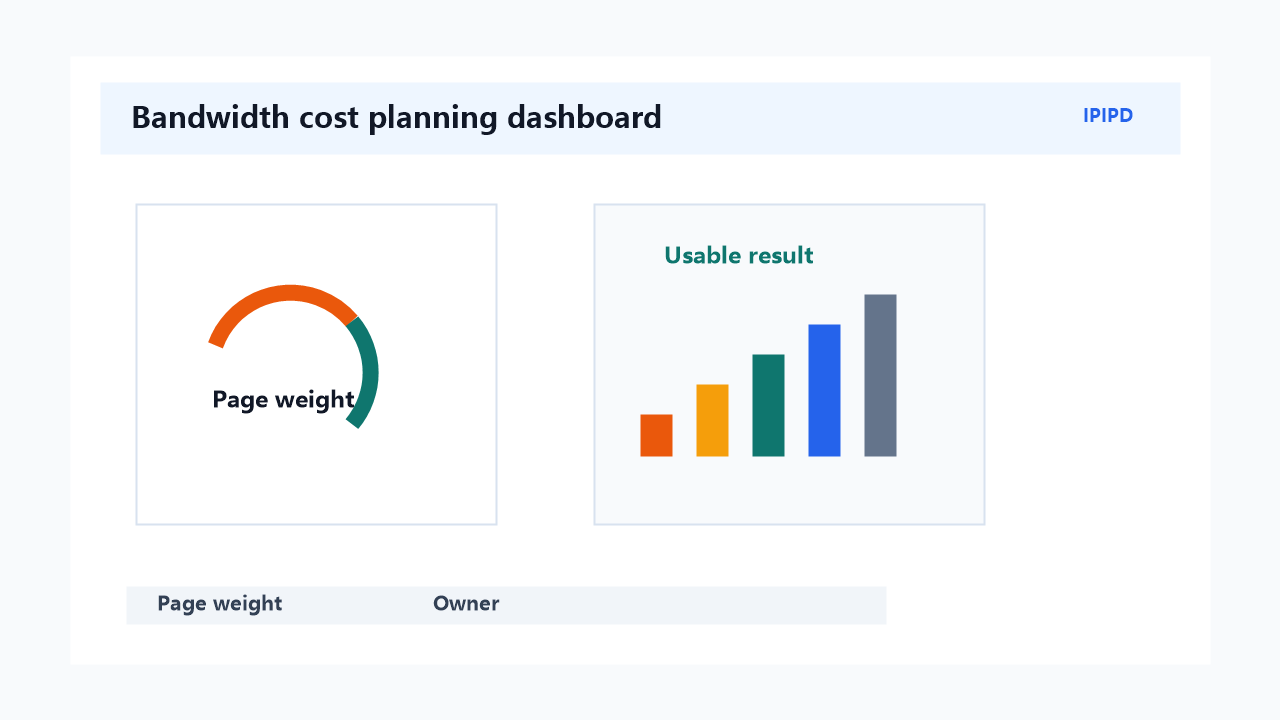
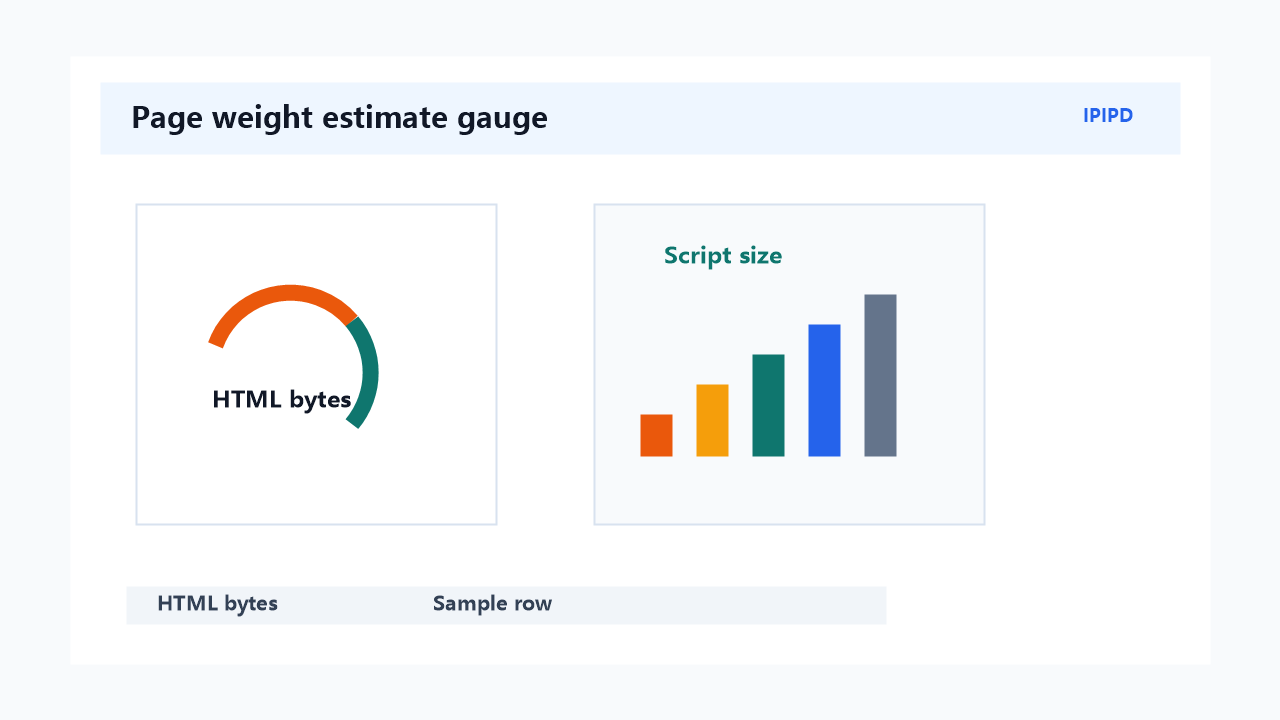 The page-weight section should estimate traffic footprint before scaling requests.