Web Scraping Proxy Mistakes: Rotation and Logs
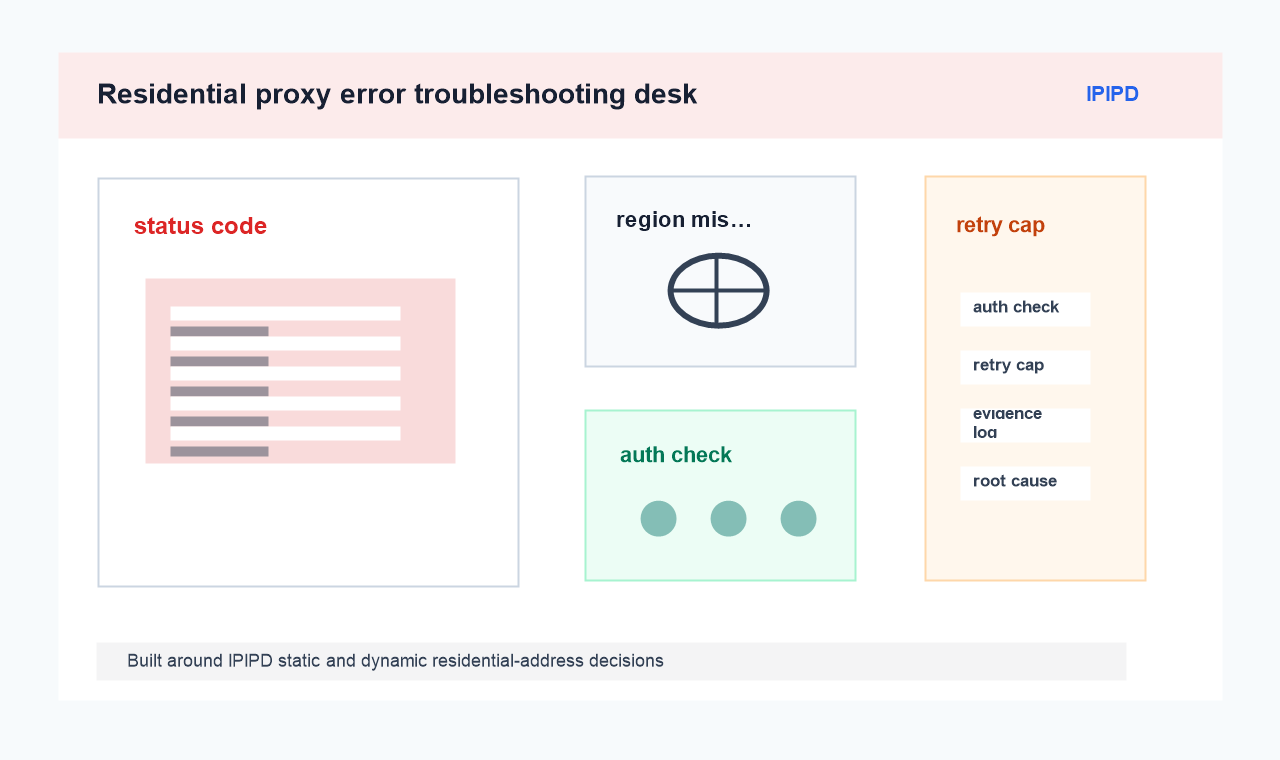
Avoid web scraping proxy mistakes by checking residential IP quality, rotation rules, retry cost, session needs, response validation, and failure logs.

Avoid web scraping proxy mistakes by checking residential IP quality, rotation rules, retry cost, session needs, response validation, and failure logs.

Set up web scraping proxies with residential IP checks, rotation windows, sticky sessions, retry limits, headers, logs, and review metrics.

Learn when web scraping needs residential IPs, how static and dynamic proxies differ, and how to choose by target, location, session, and data quality.

Evaluate residential proxy price by usable results, address fit, region quality, retry rate, bandwidth rules, session needs, support, and audit evidence.

Compare cheap and reliable residential proxies by usable results, IP reputation, region quality, retry cost, dynamic coverage, and static review needs.

Avoid residential proxy buying mistakes: cheap IPs, poor sessions, missing logs, weak regions, and wrong static or dynamic fit.

Buy residential proxies by use case: SEO tracking, ad verification, ecommerce monitoring, public data collection, and account session stability.

Choose a residential proxy provider by workflow fit, static or dynamic IP options, location accuracy, sessions, and support.

Avoid residential proxy service mistakes: unclear IP source, weak region proof, poor logs, wrong fit, and hidden retry cost.

Choose a residential proxy service by workflow fit, static or dynamic residential address needs, region accuracy, session control, and support.

Avoid static and dynamic residential proxy mistakes by matching session length, rotation rules, region checks, account risk, logs, and cost reviews.

Learn when to use static or dynamic residential proxies for web scraping, SEO monitoring, account management, dashboards, and hybrid teams.