Ad verification proxy mistakes are dangerous because they can create confident but false conclusions. A team may believe an ad is missing, a publisher is wrong, or a landing page is broken when the real issue is only a mismatched region, an unstable session, a blocked request, or an over-rotated proxy workflow.
The fix is not always more IPs. The fix is usually clearer verification design: one target market per check, consistent browser signals, controlled rotation, evidence capture, and a way to separate invalid checks from true ad-placement problems.
What mistakes make ad verification unreliable?
Ad verification becomes unreliable when teams rotate IPs without a market rule, skip screenshot evidence, ignore landing-page redirects, or mix account dashboards with public ad checks. Dynamic residential addresses fit multi-market ad visibility checks, while static residential IPs fit stable manual review sessions.
Ad verification mistake table
Mistake
Risk
Fix
No target market definition
The team cannot prove where the ad was checked
Record country, city, language, device, publisher, and timestamp
Random IP rotation
Results become hard to reproduce
Rotate by market, campaign batch, or review window
No screenshot or landing-page proof
A visible ad does not prove the full user path worked
Save screenshots, target market, proxy region, device mode, browser language, ad slot state, redirect path, and final landing page.
Should ad verification rotate IPs after every page?
No. Rotate by market or campaign batch, and keep short sessions stable when a complete user path needs review.
When are static residential IPs useful for ad checks?
Static residential IPs are useful for dashboard access, manual review, and longer browser flows that need a stable session.
What makes an ad verification result invalid?
Separate static residential sessions from dynamic public checks
Related IPIPD reading
Use these related IPIPD pages to compare static residential IPs, dynamic residential addresses, pricing, and adjacent workflows without leaving the same topic cluster.
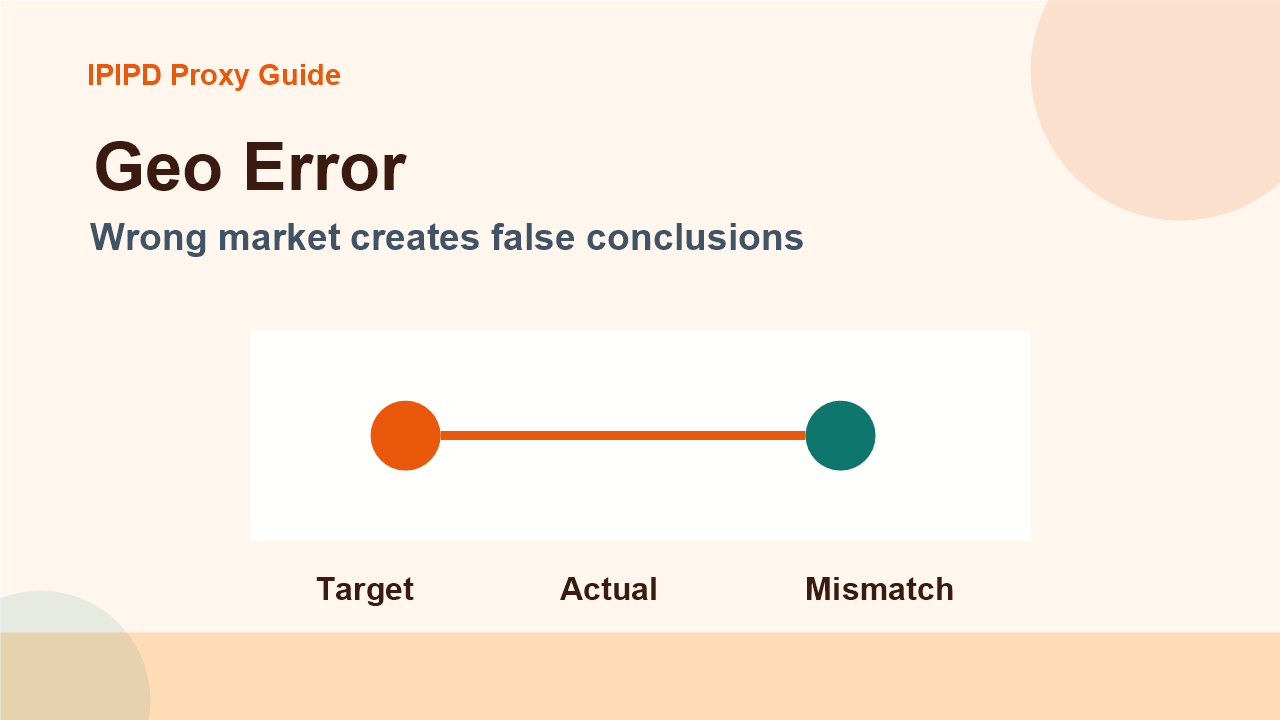
The most common mistake is location mismatch. If a campaign targets France but the proxy region, browser language, timezone, and search or publisher domain point elsewhere, the result may not represent the target audience. Local ad delivery can change the creative, offer, currency, and landing path.
Every check should record the intended market and the observed network region. If the two do not match, the result should be marked uncertain rather than used as proof of a campaign problem.
Mistake 2: over-rotating during review
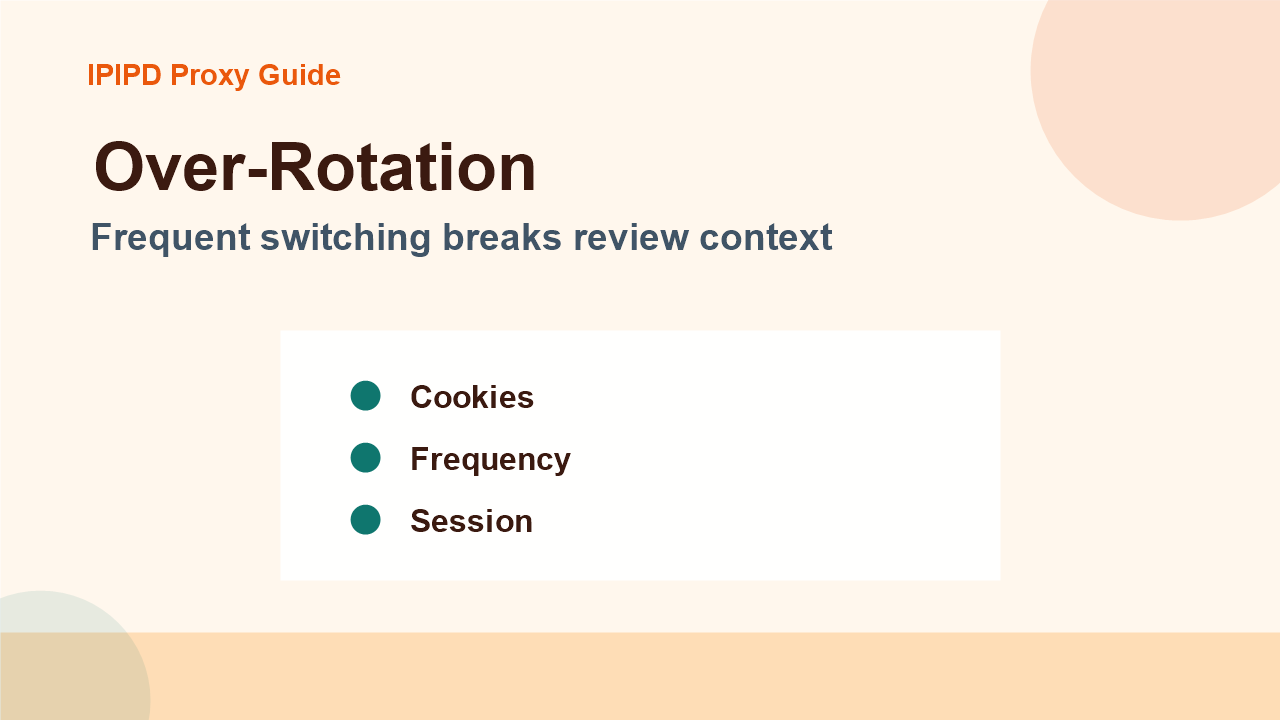
Ad verification sometimes needs stable context. If the workflow changes IP identity too often, frequency caps, cookies, consent status, and publisher behavior may change during the check. The team may then misread a session problem as an ad-placement problem.
Dynamic residential proxies are useful for coverage, but rotation needs rules. Static residential IPs may be better for account dashboards, long manual reviews, or repeated checks that should keep one coherent browser identity.
Mistake 3: treating blocked pages as evidence
A consent page is not the same as a verified ad slot.
A blank placement is not always a publisher error.
A redirect chain may change by market and device.
A challenge page should be excluded from campaign conclusions.
A screenshot without region and timestamp is weak evidence.
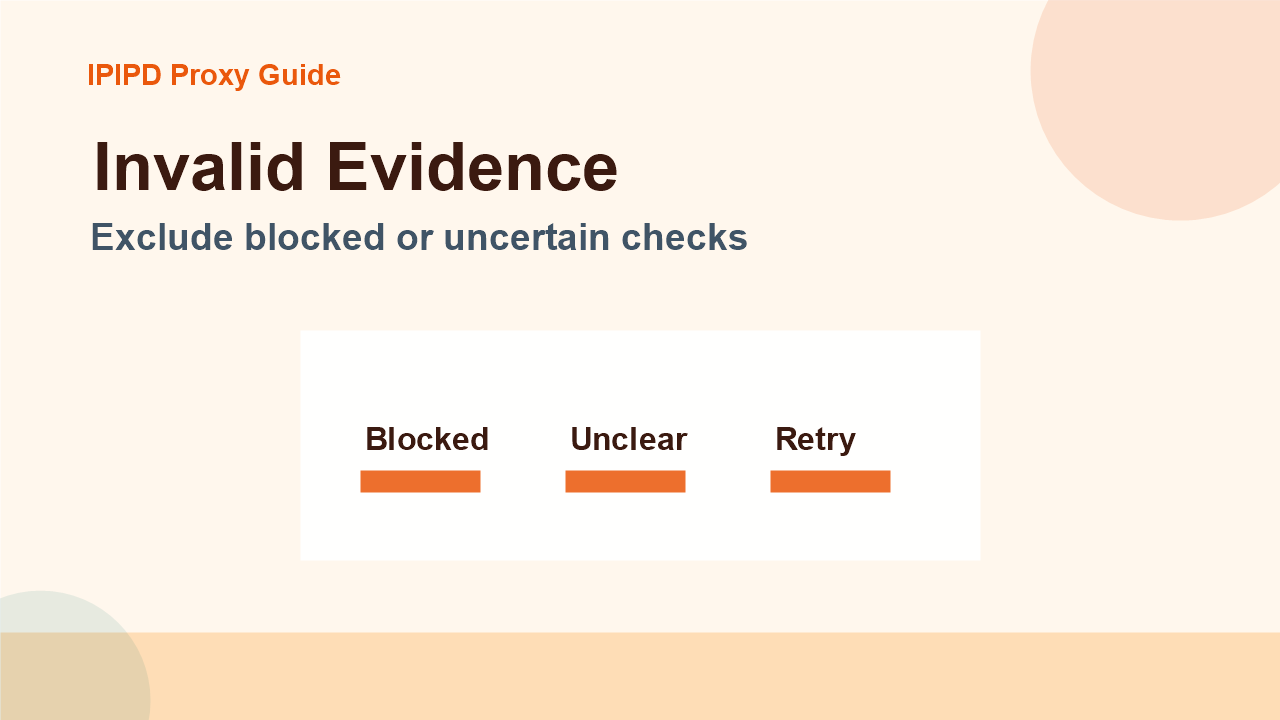
A clean report separates valid ad checks from invalid page states. It should show which checks were blocked, which were retried, and which returned enough content to support a decision. Otherwise the team may escalate issues that are really workflow failures.
Scaling a noisy verification process creates more noise. Before checking many campaigns, run a baseline with a few markets and placements. Track visibility rate, mismatch rate, redirect correctness, challenge rate, latency, and screenshot completeness. If the baseline is unstable, fix the setup first.
Good ad verification is disciplined. It uses residential IPs to reduce location blind spots, but it also keeps the workflow reproducible. Without reproducibility, even a large proxy pool cannot make the report trustworthy.
Mistake 5: judging only by IP quantity
More IPs do not automatically create better verification. A large pool with poor region control, weak evidence, and unclear retry rules can create more confusion than a smaller setup that records every check clearly. Teams should compare usable evidence rate, not only IP count or traffic volume.
The better question is whether the setup helps the team make a confident decision. Can it prove that the ad appeared in the intended market? Can it show the correct landing page? Can it separate a publisher issue from a proxy workflow issue? If the answer is no, the verification process needs repair before it needs scale.
Mistake 6: forgetting the business goal
Some reports become too technical and forget the business question. The goal is not simply to prove that a proxy connected. The goal is to know whether advertising spend is being shown correctly, whether the customer journey works, and whether market-specific evidence is strong enough to support action. A technically successful request can still be a useless verification result.
This is why each report should end with a business label: verified, mismatch, uncertain, blocked, or needs manual review. That label helps the team decide whether to contact a publisher, change campaign settings, adjust proxy workflow, or run another controlled test. Without that label, the report may be long but not actionable.
Mistake 7: no owner for follow-up
Ad verification issues often sit between marketing, media buying, analytics, compliance, and technical teams. If nobody owns the follow-up, the same proxy problem appears again in the next campaign. Assign an owner for each type of issue: campaign configuration, publisher placement, landing-page redirect, proxy workflow, and manual review evidence.
A small ownership table can prevent repeated confusion. It should list the issue type, evidence required, responsible person, response time, and next action. This turns proxy-assisted verification from a one-time screenshot exercise into a repeatable operating process. For IPIPD users, it also clarifies when the team should adjust dynamic residential coverage and when it should switch a review process to a stable static residential IP.
Wrong region, missing creative, consent walls, blocked pages, empty placements, or missing landing-page evidence should be marked separately.