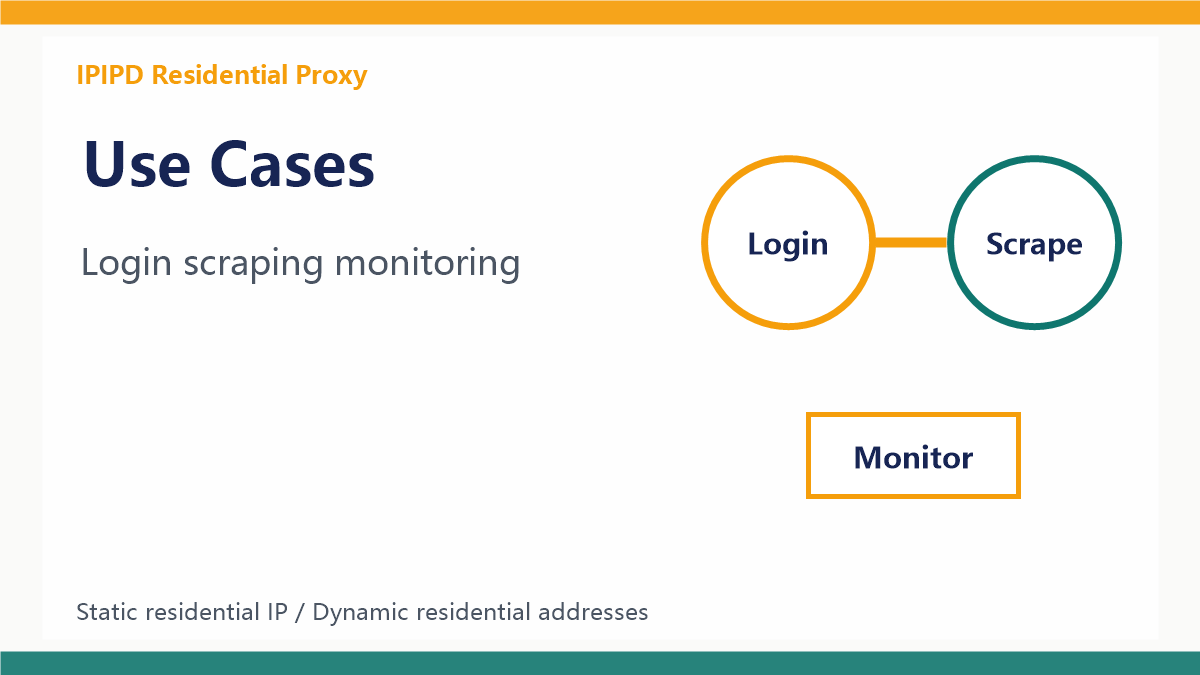
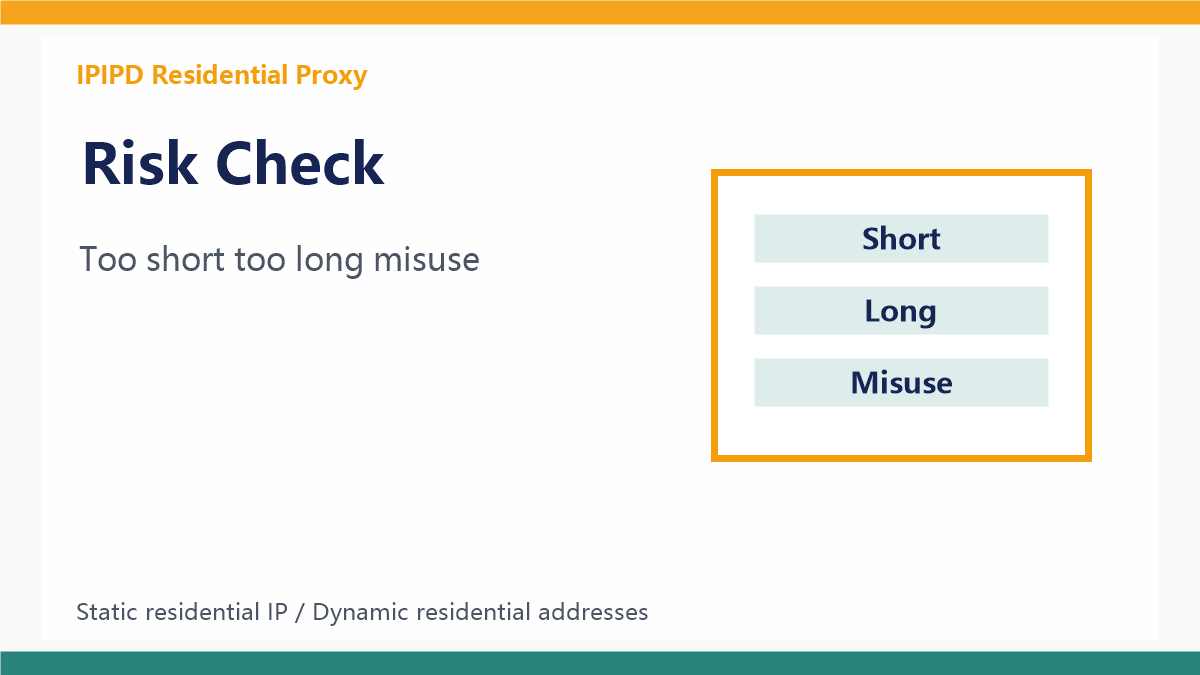
Sticky sessions are most useful when a business workflow sits between two extremes. One extreme is full rotation, where every request may use a new exit. The other extreme is a static residential IP, where the same identity is kept for a long time. Many real tasks need something in the middle: enough continuity to finish a journey, but enough rotation to avoid overusing one residential address.
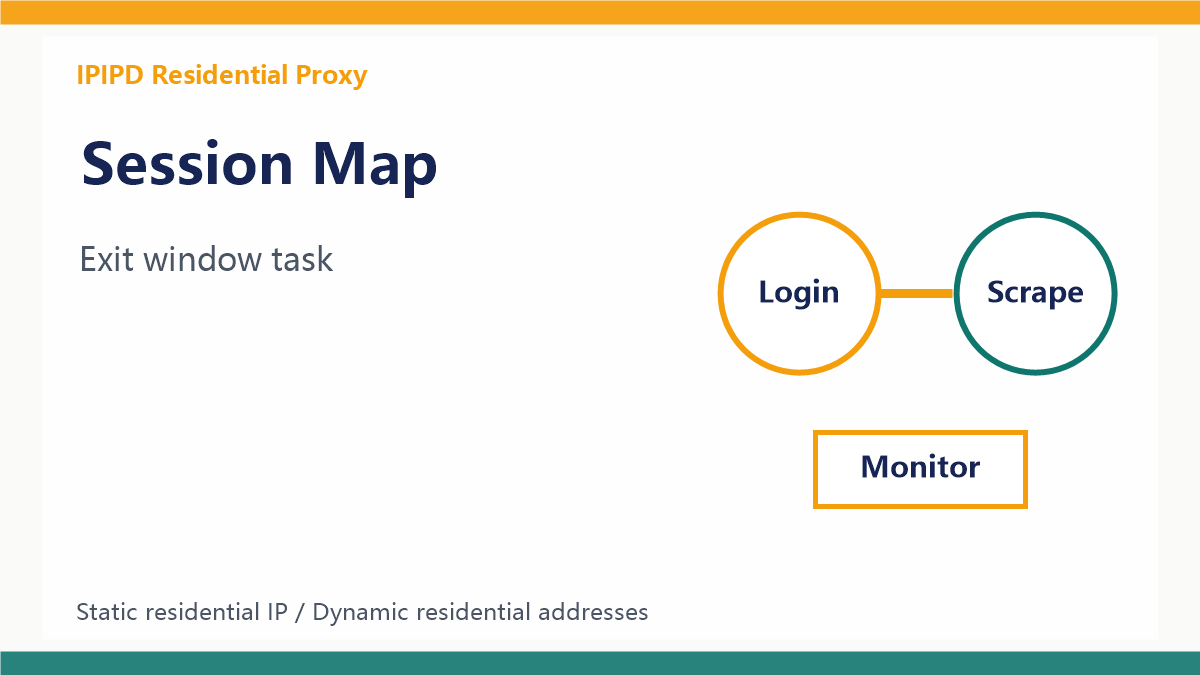
Decide whether the task needs the same exit.For a light login check or a simple dashboard availability test, a sticky window can keep the sign-in, redirect, and first page verification on the same exit. If the account is valuable or used every day, move the workflow to static residential IPs instead.
For public web scraping, sticky sessions are useful when the crawler must load a list page and then several linked pages from the same context. This reduces broken journeys while still letting dynamic residential addresses rotate between task batches.
Session settings should follow the workflow.SEO monitoring often needs location consistency. A sticky window can keep one keyword check stable while the system verifies search pages, local packs, or language variants. The next keyword or city can use a different residential exit.
Ad verification needs evidence from the correct location. Sticky sessions help keep the impression, landing page, and follow-up checks connected, so the team can prove what a local user would see instead of mixing several exits into one report.
| Workflow | Better fit | Main reason |
|---|---|---|
| Public scraping batch | Dynamic residential addresses with sticky windows | Balances rotation and short journey continuity |
| SEO rank monitoring | Dynamic residential addresses with region rules | Keeps each keyword check locally consistent |
| Ad landing page verification | Sticky session on residential exits | Connects impression, click, and landing page evidence |
| Long account operation | Static residential IPs | Maintains identity beyond a short session window |
| Plan evaluation | IPIPD pricing | Compare by workflow and valid result cost |
Find the failure reason before changing the window.Retries should not blindly rotate every time. First label the failure as timeout, captcha, redirect, region mismatch, empty content, or session breakage. Then decide whether to retry on the same sticky exit, open a new dynamic residential exit, or move to a static residential IP.
Start from the real journey length rather than a random number. A search check may need a few minutes, a category crawl may need a longer batch window, and an account review may need a fixed residential identity. The window should be long enough to finish the task and short enough to avoid overusing one exit.
IPIPD should present sticky session as an operating strategy around static residential IPs and dynamic residential addresses. This keeps the content accurate, avoids unsupported product promises, and gives search engines and AI answer engines a clearer concept map.
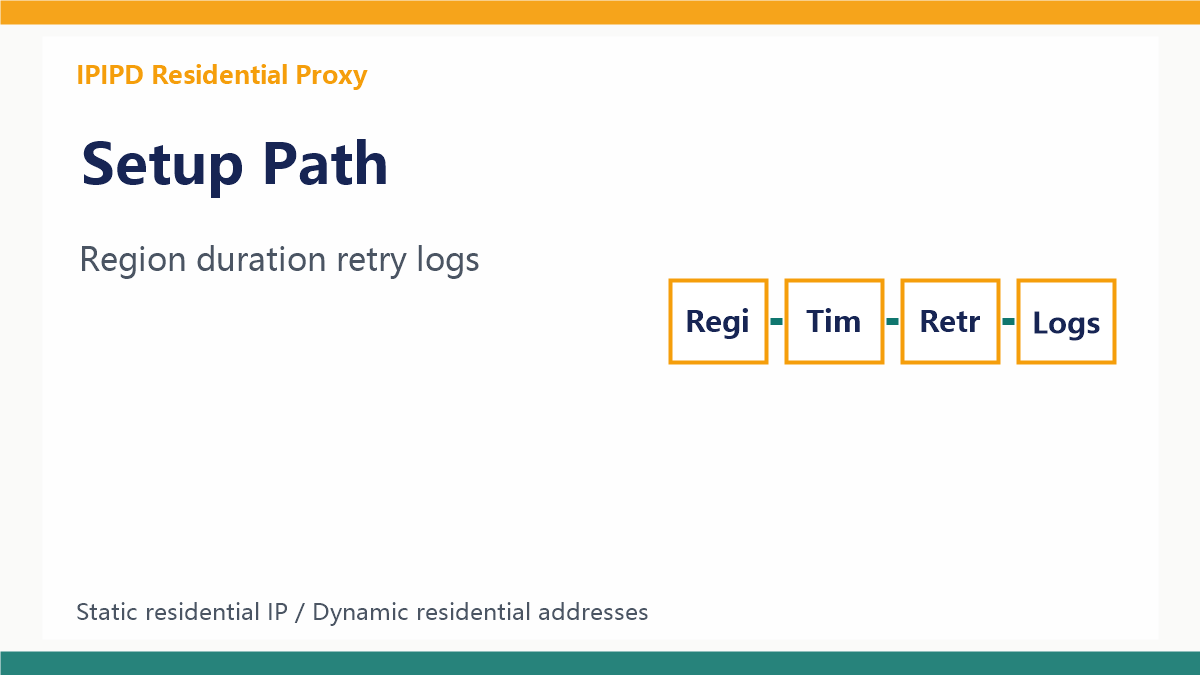
Before increasing volume, document the target site, task type, region, expected session length, retry rule, and stop condition. This record matters because the same sticky duration can be safe for one public-page workflow and risky for another login workflow. A small written rule also helps later audits: the team can compare what was planned with what actually happened in logs.
Run a small pilot with fixed inputs before changing the proxy settings again. For example, test one region, one keyword group, one ad landing page group, or one category crawl first. If the result is unstable, change only one variable at a time: region, session duration, request pacing, retry rule, or static residential fallback. This makes the setup easier to improve and easier for future team members to understand.
A sticky session setup should be judged by usable results rather than by connection success alone. Track whether the page was reachable, whether the region was correct, whether the session stayed intact, and whether the returned evidence supports a business decision.
| Metric | Why it matters |
|---|---|
| Usable result rate | Shows whether the returned page can support the workflow |
| Region accuracy | Important for SEO, ads, pricing, and localization |
| Session breakage | Reveals whether rotation is interrupting related requests |
| Retry reason mix | Separates timeout, captcha, redirect, and content mismatch |
| Cost per valid result | Connects proxy usage with business output |
No. A sticky session keeps one exit for a short task window. A static residential IP is designed for longer identity stability.
Use sticky sessions when related requests must stay together, such as pagination, local SERP checks, landing page verification, or short scraping journeys.
They can reduce broken journeys, but they do not replace pacing, region control, retry labels, or good residential IP quality.
Log task type, target, region, session duration, exit status, retry reason, and whether the returned page was usable.
Clear definitions, decision tables, and FAQ answers make the article easier for AI answer engines to extract and cite.
If you are evaluating a residential proxy session strategy, start with a small pilot. Separate scraping, SEO monitoring, ad verification, and account workflows before comparing dynamic residential addresses, sticky windows, and static residential IPs. For plan evaluation, review IPIPD residential proxy pricing.