Buying Checklist Three: Set a Stop Rule Before Scale
A stop rule prevents the team from treating every failure as a reason to spend more. Example stop rules include maximum retries per target, maximum timeout rows per region, maximum failed cost per usable row, and a required review before changing address mode.
External HTTP references such as MDN status-code documentation can help label failures consistently. The financial decision still comes from the team record: what was attempted, what worked, what failed, and what should be paused.
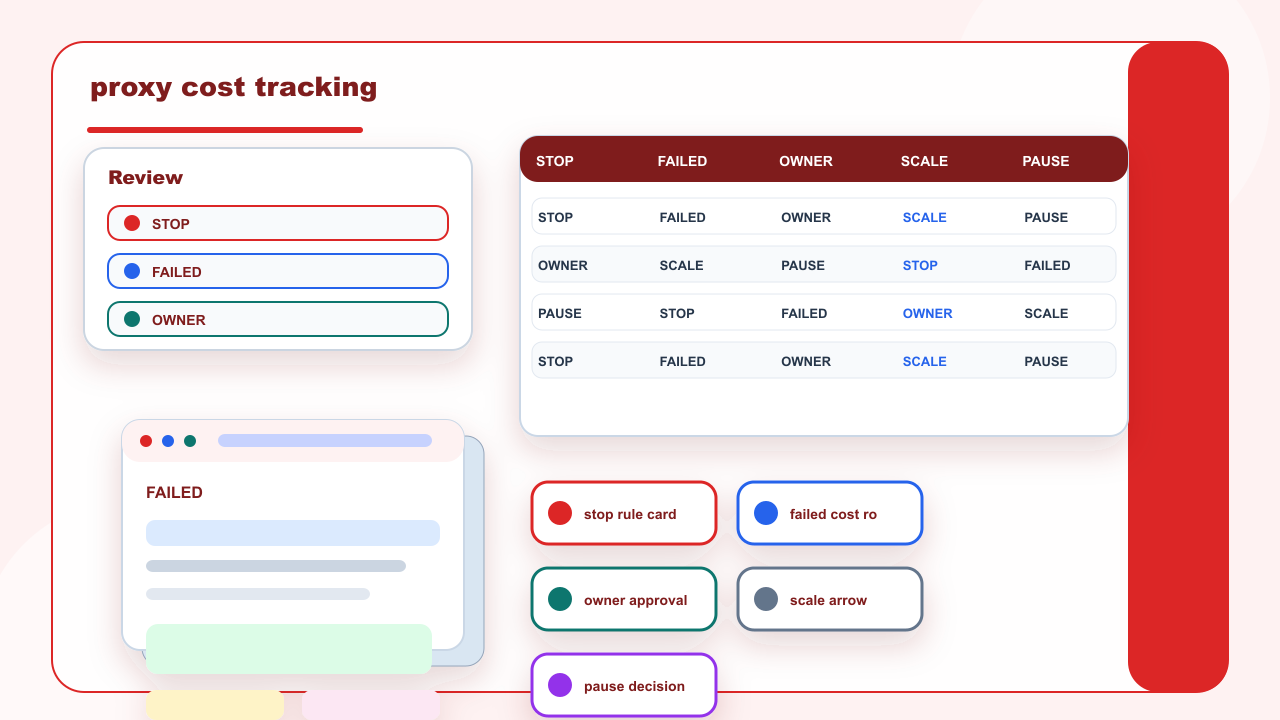 A stop rule prevents scaling when cost per usable result is unclear.
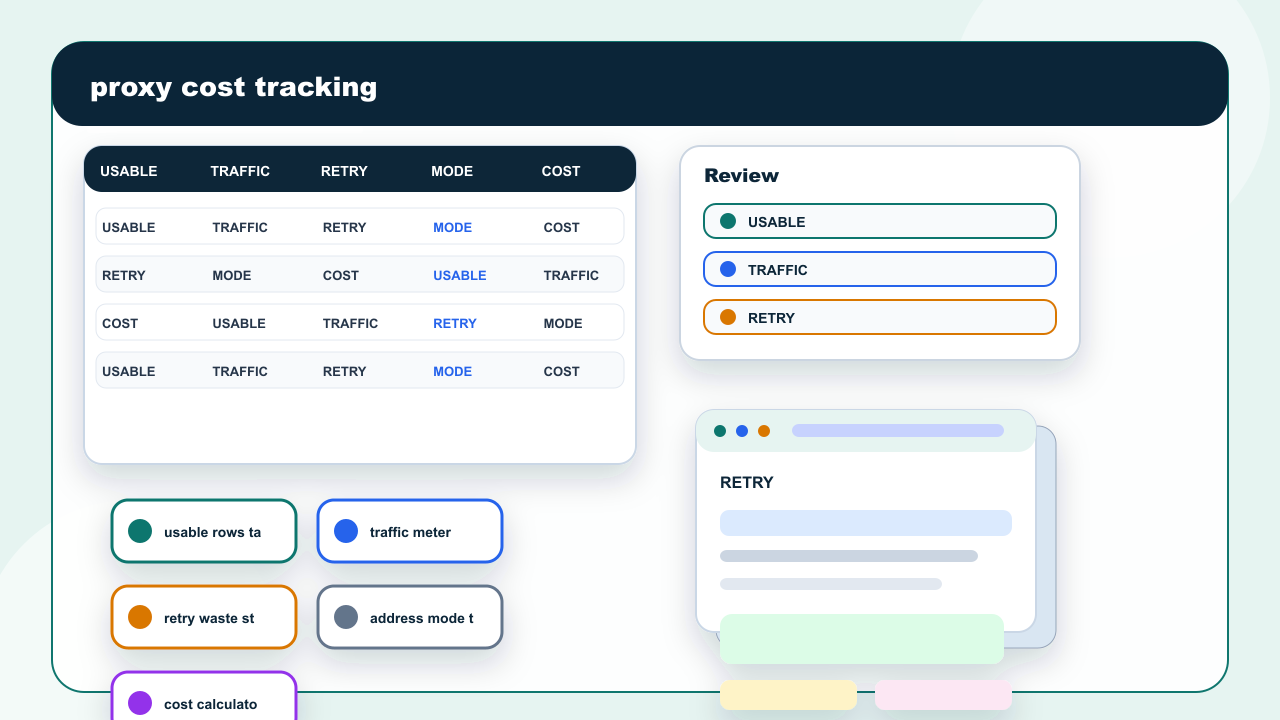
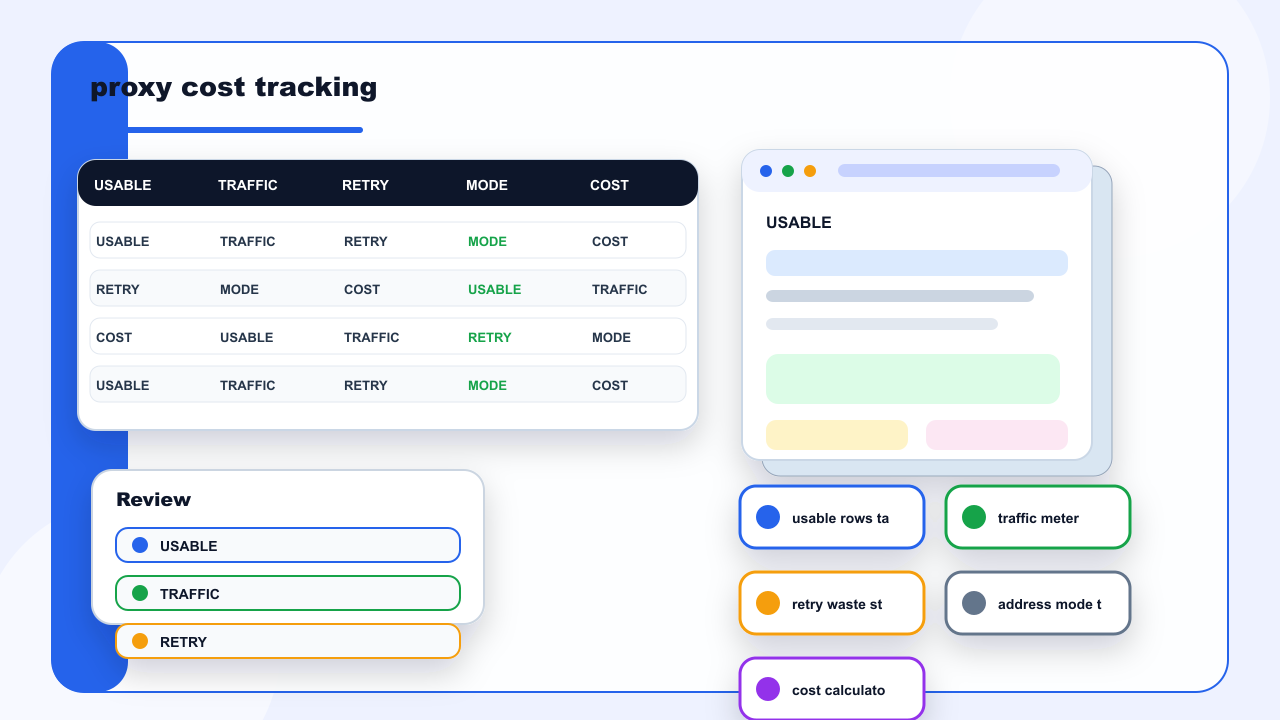
Cost tracking should include the work that never became a usable result. Retries, repeated setup, timeout rows, duplicate screenshots, and abandoned target paths all consume time and budget. When those rows are visible, a buyer can decide whether a static residential address reduces repeated setup, whether dynamic residential addresses improve sampling, or whether the task should be paused before more spend is added.
A good buying review also separates today's test from a future scale plan. The test budget proves whether the evidence model is reliable. The scale budget should wait until usable rows, stop rules, address mode, and review owner are stable. This prevents pricing discussions from turning into broad promises about target performance.
The record should also state who will use the evidence. Operators need to know whether the task should continue. Technical reviewers need to know which variable changed. Buyers need to know whether cost and effort remain controlled. Writing those three reader needs into residential proxy cost tracking keeps the review practical and prevents a small configuration issue from becoming a full workflow rebuild.
A useful review matrix keeps four decisions visible: where the issue appeared, which variable changed, whether the finding affects static residential addresses or dynamic residential addresses, and how the next test will differ from this one. Applying that matrix to residential proxy cost tracking turns the article from a broad proxy explanation into an operational record that a second reviewer can use.
The handoff should avoid a vague fixed note. A better handoff lists retained evidence, rejected actions, and items to watch. Retained evidence says which screenshots and rows are trusted. Rejected actions explain which changes are not justified yet. Watch items identify cache delay, target-page behavior, or a team review that still needs time.
Finally, keep the product boundary visible in the operating note. This IPIPD article is limited to static residential addresses and dynamic residential addresses. Adjacent proxy terms can appear only as troubleshooting background or exclusion context, not as products that IPIPD is presented as selling or supporting. That boundary should remain visible in every handoff note.
After publishing, the ordinary page and a cache-bust page should both be read back. The reviewer should confirm image placement, facts table, quick reference, FAQ schema, and visible product wording before the article is treated as ready for spot-check. This prevents late image and layout repair work.