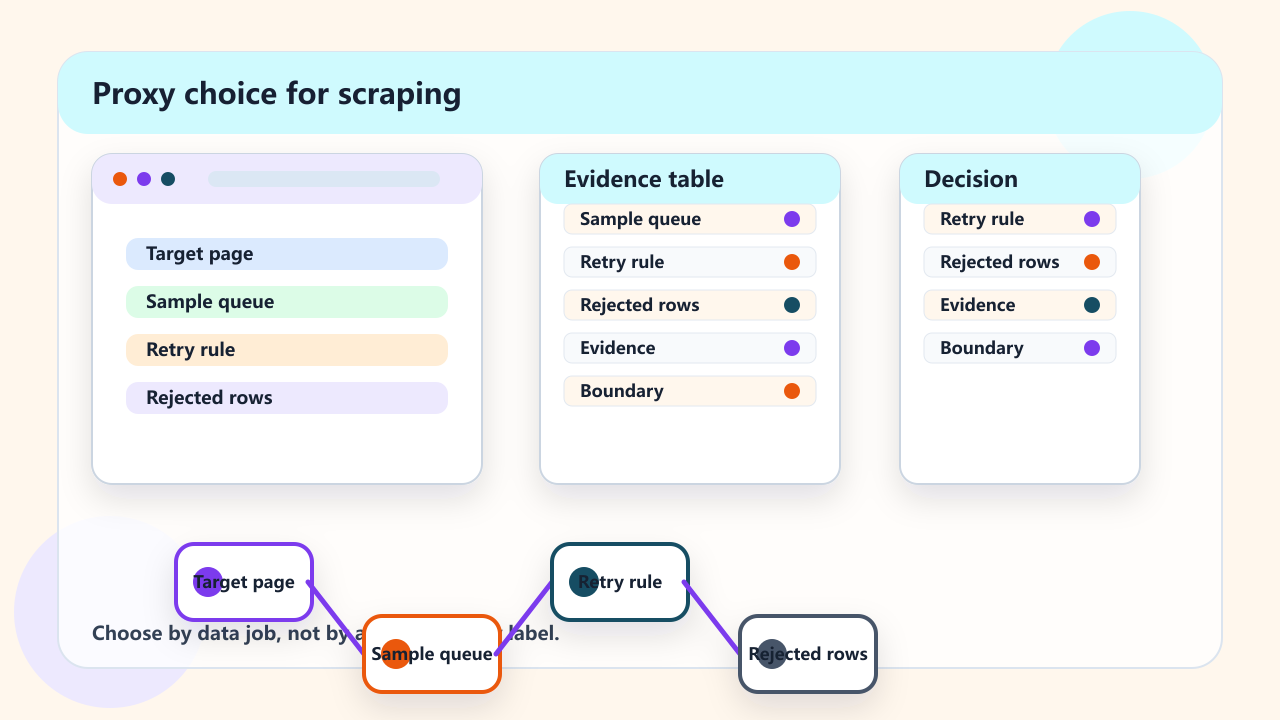
Scraping purchases should begin with target rules and sample caps. The cheapest option is the one that does not create unusable rows.
Start with market list and rotation rule and keep the question narrow. A reviewer should be able to tell what was checked, what changed, and which row still needs a second look before the team moves on. That keeps the current row easy to compare with the previous one, because the reason for the change stays visible instead of being buried in a generic explanation, and the section still reads as one decision instead of two ideas.
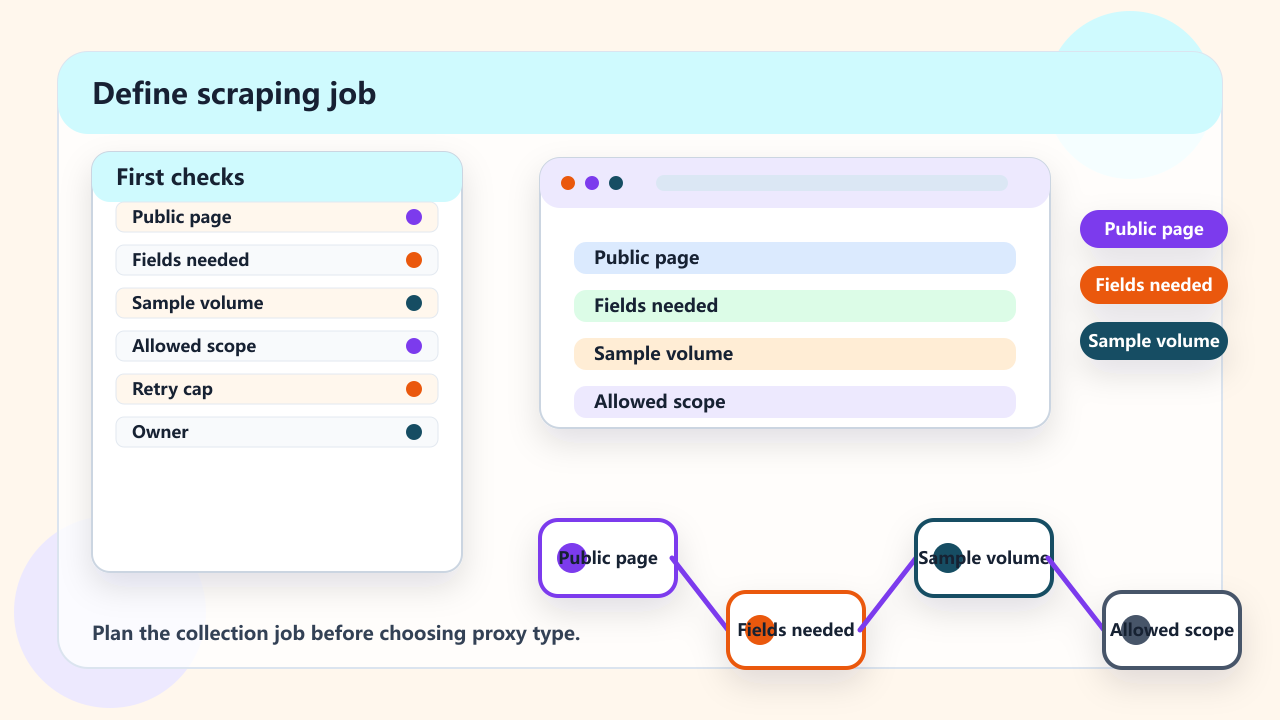
Use this block to explain why target rule and sample cap matters to the workflow. The useful part is not the label itself, but the decision it enables once the evidence row is written down. That keeps the current row easy to compare with the previous one, because the reason for the change stays visible instead of being buried in a generic explanation, and the section still reads as one decision instead of two ideas.
A good record for Public data workflows with clear target rules and sample caps should show the owner, the sample limit, and the result together. That lets the next review start from facts instead of memory. That makes the note reusable later, because a reviewer can see the owner, the sample limit, and the next action without reconstructing the decision from memory, and the row still stays short enough to scan quickly.
Treat market list and rotation rule as the next visible check, not a slogan. That makes it easier to compare one market row with the next without turning the page into a generic proxy overview. That keeps the current row easy to compare with the previous one, because the reason for the change stays visible instead of being buried in a generic explanation, and the section still reads as one decision instead of two ideas.
collection plan with field list, sample rows, target pages, region labels, request pace, and stop signal.| Buying check |
|---|
| Why it matters |
|---|
| Best fit | Public data workflows with clear target rules and sample caps |
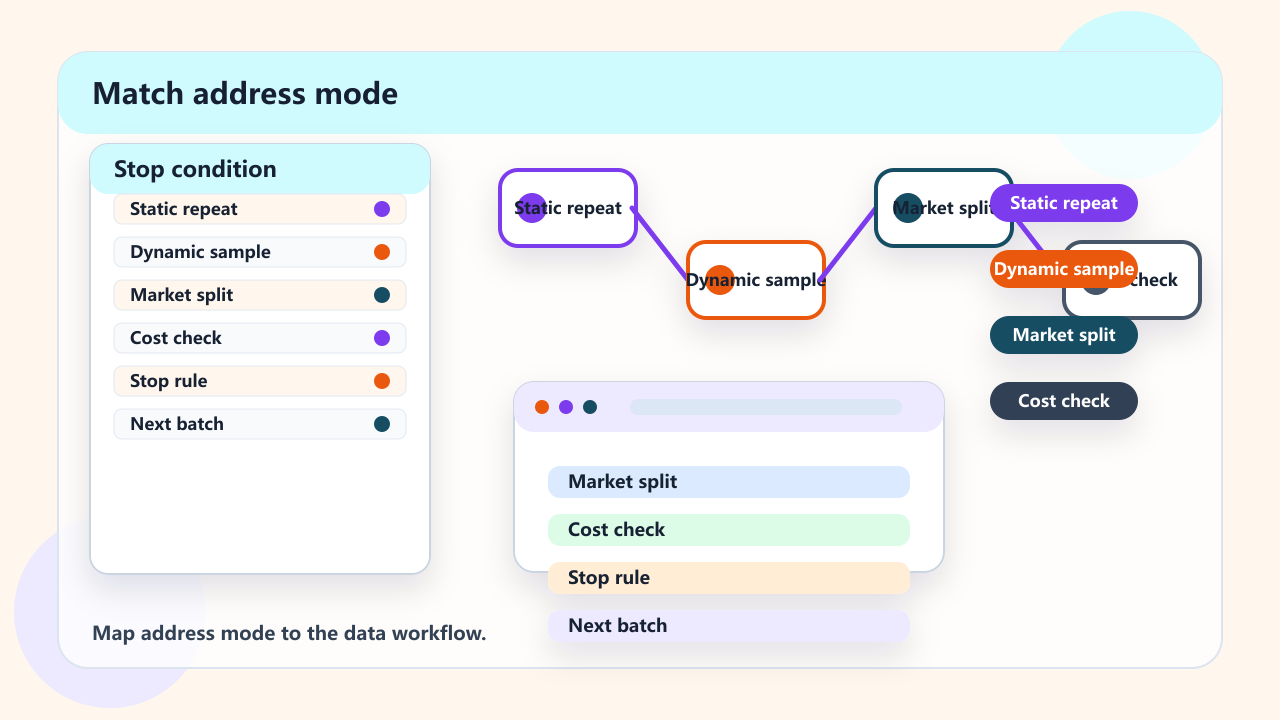
| Dynamic role | Broader market or page sampling |
| Static role | Repeated confirmation of one path or anomaly |
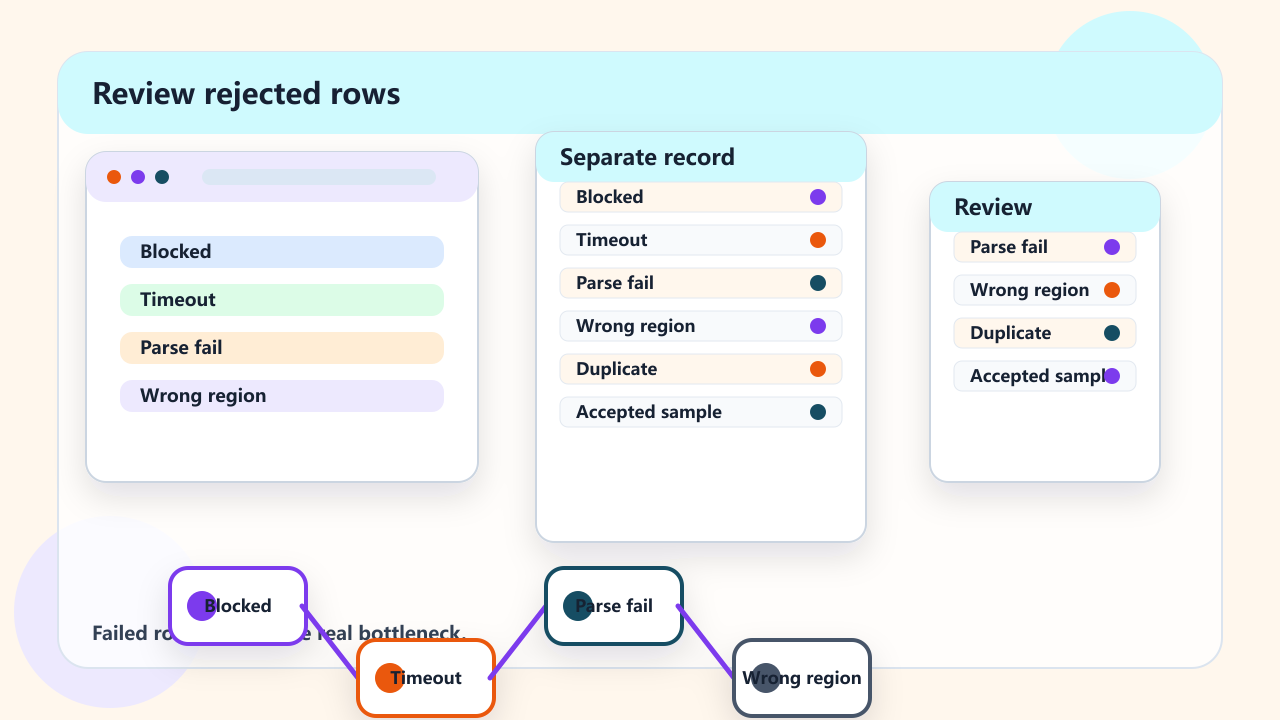
| Stop signal | Access rules consent state or account boundary is unclear |
If Broader market or page sampling is still unclear, the safer move is to pause and reclassify the task. A narrow note beats a confident paragraph that cannot be checked later. That makes the note reusable later, because a reviewer can see the owner, the sample limit, and the next action without reconstructing the decision from memory, and the row still stays short enough to scan quickly.
When static confirmation for anomalies changes the result, note the reason in the same row. Short, concrete notes are easier to review later than a broad explanation that repeats the same sentence shape. That keeps the current row easy to compare with the previous one, because the reason for the change stays visible instead of being buried in a generic explanation, and the section still reads as one decision instead of two ideas.
This is the place to separate confirmed evidence from open questions. It keeps static and dynamic residential addresses in their own lanes and makes the page easier to skim. That makes the note reusable later, because a reviewer can see the owner, the sample limit, and the next action without reconstructing the decision from memory, and the row still stays short enough to scan quickly.
This section should tell the reader what to confirm before they scale. If the note cannot be checked later, it is not yet a useful workflow block. That keeps the current row easy to compare with the previous one, because the reason for the change stays visible instead of being buried in a generic explanation, and the section still reads as one decision instead of two ideas.

Use the follow-up row to explain the next step in one line. Readers should leave this section knowing whether the task is ready, blocked, or waiting for another sample. That makes the note reusable later, because a reviewer can see the owner, the sample limit, and the next action without reconstructing the decision from memory, and the row still stays short enough to scan quickly.
Keep the discussion on pricing page and owner review and the evidence it produces. The goal is to make the choice repeatable, not to add another general-purpose proxy description. That keeps the current row easy to compare with the previous one, because the reason for the change stays visible instead of being buried in a generic explanation, and the section still reads as one decision instead of two ideas.

The cleanest summary here is practical: Public data workflows with clear target rules and sample caps, one owner, one review action. That is enough to keep the article readable without padding the block. That makes the note reusable later, because a reviewer can see the owner, the sample limit, and the next action without reconstructing the decision from memory, and the row still stays short enough to scan quickly.
A practical best proxy for scraping workflow should leave a review record that can be understood by someone who did not run the first test. That record should include task owner, target page, market, browser assumption, address mode, sample limit, retry cap, screenshot status, and final decision.
The best starting point depends on whether the task needs repeatability or labeled coverage.
No. Rotation without labels can create data that cannot be reviewed.
It helps confirm one page path or anomaly under stable conditions.
No. The workflow depends on target rules technical setup and evidence review.
Continue with IPIPD internal reading: residential proxy buying checklist, static vs dynamic residential proxy, IPIPD pricing.
External background: Google robots.txt introduction.
Evidence note: this article uses public technical references, existing IPIPD pages, and the current IPIPD product boundary as source anchors. It does not promise unverified metrics or turn unsupported proxy labels into current products.