IPIPD

Collect Public Pages Reliably and Build Auditable Data Indexes

Use rotating residential IPs for controlled sampling across public pages and static residential IPs to verify critical paths. Define collection scope, frequency, stop conditions, and target-site rules before each task.

  • Public Page Collection
  • Batched Task Execution
  • Exception Classification
  • Review Evidence Retention
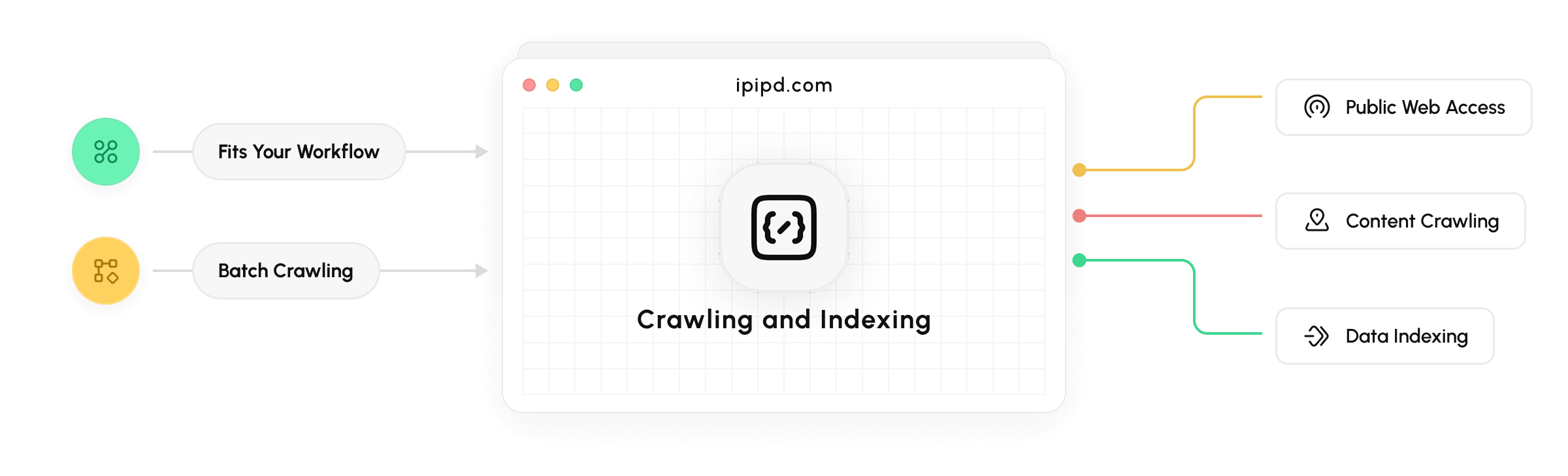
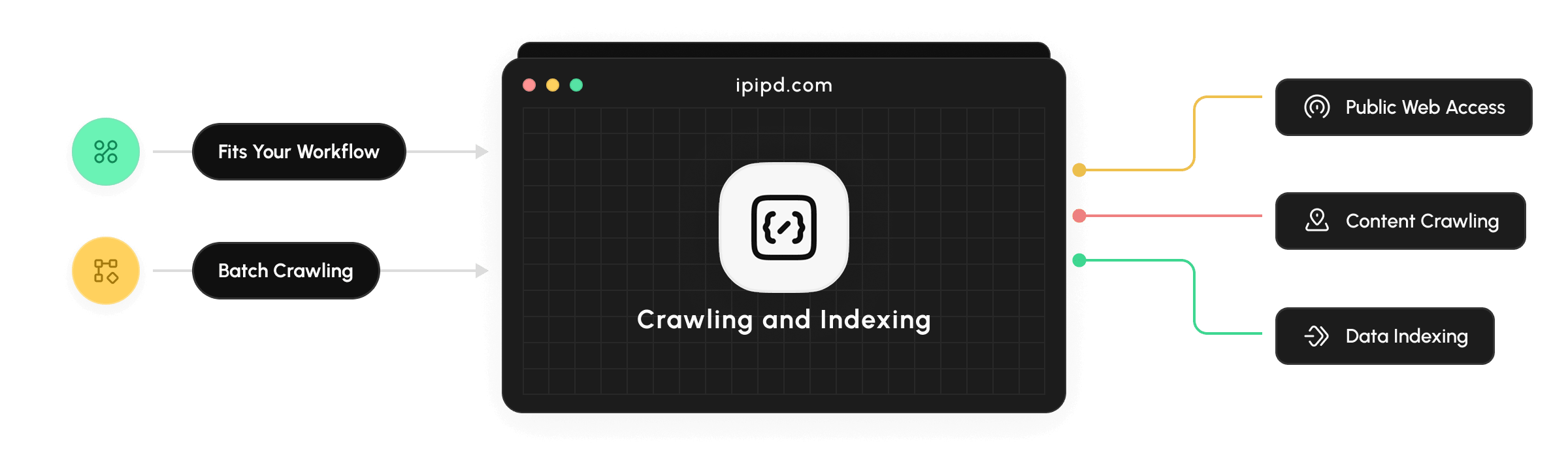
Crawling and IndexingUse rotating residential IPs for controlled sampling across public pages and static residential IPs to verify critical paths. Define collection scope, frequency, stop conditions, and target-site rules before each task.

Why Do Crawling and Indexing Need Residential Proxies?

Public-page collection may span many pages, regions, and time windows. Residential proxies help teams access public content under different network conditions, but they must not be used to bypass logins, paywalls, consent, or target-site rules. Every result should remain auditable.

Assign Access Conditions by Task Scope

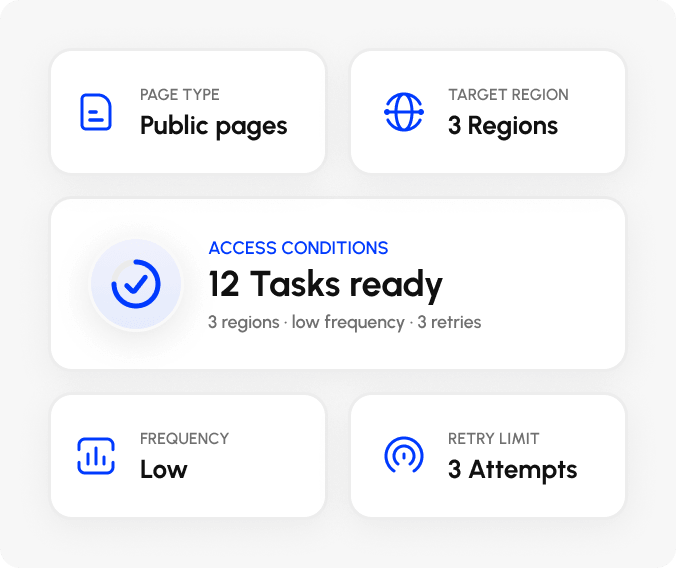
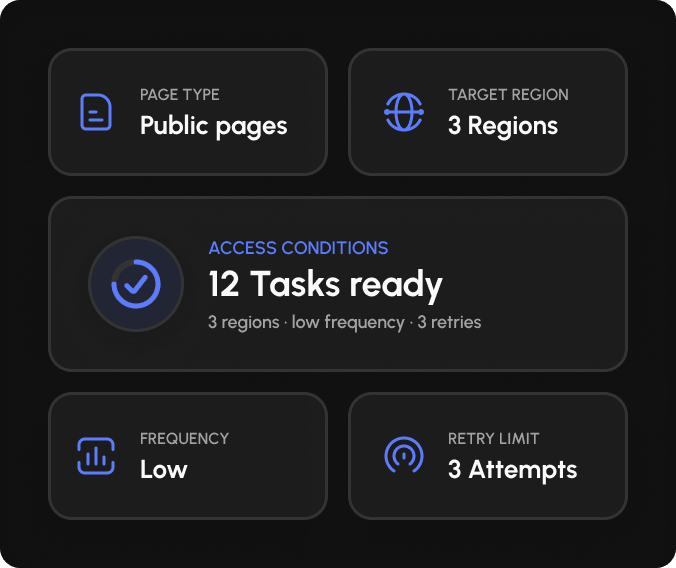
Define the public page types, target regions, frequency, concurrency limit, and retry policy before using rotating residential IPs for batched sampling. Do not expand collection volume before the scope is clear.

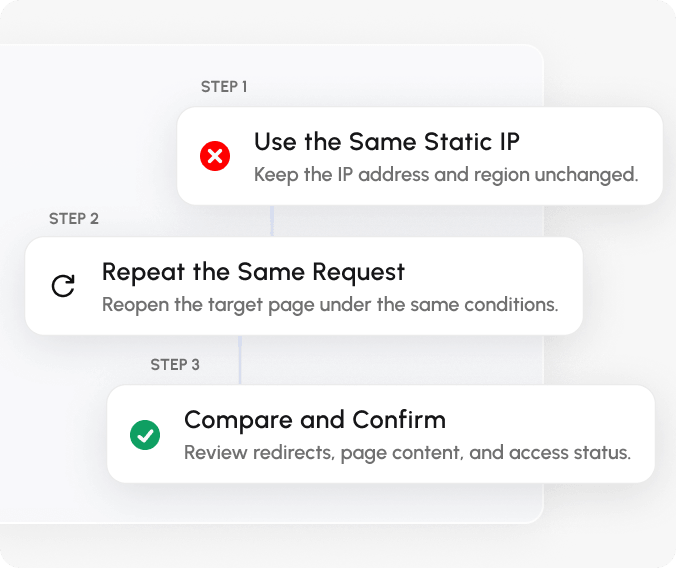
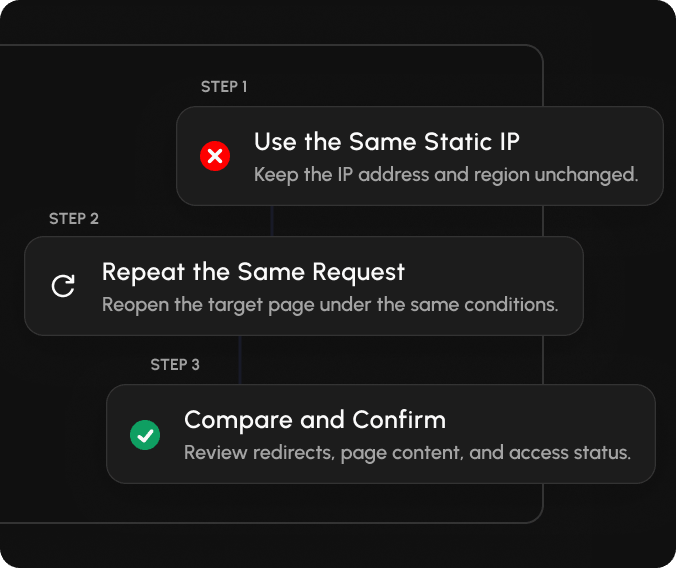
Verify Critical Exceptions with Static IPs

When a page returns empty content, unexpected redirects, regional inconsistencies, or unusual status results, repeat the check with a static residential IP to isolate page, browser, region, or network variables.

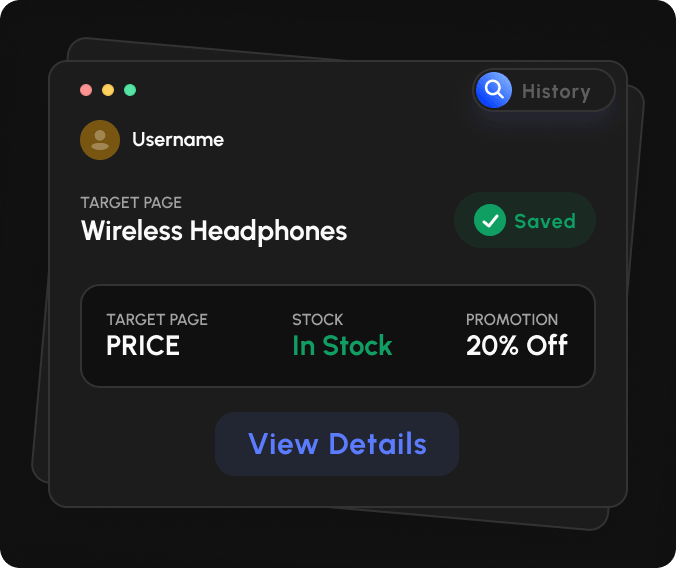
Keep Indexed Data Reviewable

Store the URL, status, region, timestamp, address mode, failure category, and available screenshot evidence. Route unexplained records to a review queue instead of adding them directly to the final dataset.

Proxy plans for every need

Static Residential Proxy

Best for stable long-term operations
  • Long-term fixed IP
  • Clean residential network
  • Lower-risk stability
  • Dedicated usage
Login
Social
Stores
Signup
Ads

Best for stable business needs

$6.00/ IP per month
Buy Now

Dynamic Residential Proxy

Built for high-concurrency tasks
  • Large rotating IP pool
  • Automatic node switching
  • Country and city filters
  • High-anonymity proxy
Data
Accounts
Bulk ops
Research
Scripts

Best for high-concurrency workflows

$0.77/ GB
Buy Now

Common issues encountered

How can public-page crawling remain compliant?

Collect only public content you are permitted to access, follow site terms, robots guidance, privacy requirements, and applicable laws, and never use proxies to bypass authentication or paywalls.

Should crawling tasks use static or rotating residential IPs?

Use rotating IPs for controlled sampling across pages and regions. Use static IPs to reproduce important failures or verify a critical page under consistent conditions.

What evidence should be stored for each crawl result?

Store the URL, response status, timestamp, exit region, address mode, failure type, and relevant screenshot or response evidence.

Can crawling tasks collect region-specific public content?

Yes, when suitable regional exits are available and the content is public. Coverage and page behavior may still vary by country, city, language, and visit time.

What should be configured before a crawling task starts?

Define page types, allowed domains, regions, frequency, concurrency, retry limits, stop conditions, output fields, and the review process for abnormal records.

Does using a residential proxy guarantee complete or current data?

No. Pages can change, block requests, render conditionally, or return incomplete content. Residential proxies are one network input, not a guarantee of access, freshness, or completeness.