Jordan Proxy Comparison: Static Continuity vs Separate Samples
Jordan Proxy Comparison: Static Continuity vs Separate Samples explains the relevant settings, limits, visible results It emphasizes authorized use, carefu
Agent IP information2026-09-17
Get the latest industry updates, product updates and company news
Jordan Proxy Comparison: Static Continuity vs Separate Samples explains the relevant settings, limits, visible results It emphasizes authorized use, carefu
Venezuela Proxy Checks for One Public Page Task explains the relevant settings, limits, visible results, and the proper role of static or dynamic
Bulgaria Proxy for Authorized Public Page Checks explains the relevant settings, limits, visible results, and the proper role of static or dynamic
Lithuania Proxy Server: Static or Dynamic Page Checks explains the relevant settings, limits, visible results, and the proper role of static or dynamic
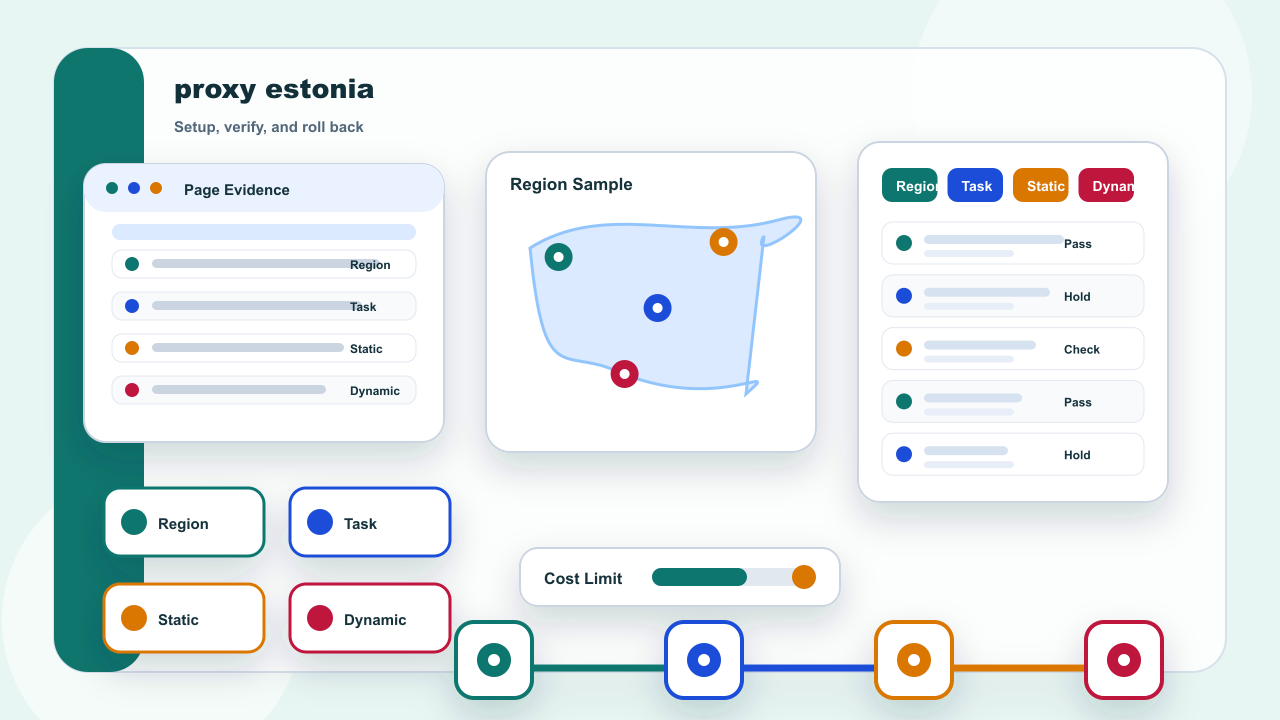
Proxy Estonia: Avoid Overreading a Regional Sample explains the relevant settings, limits, visible results, and the proper role of static or dynamic
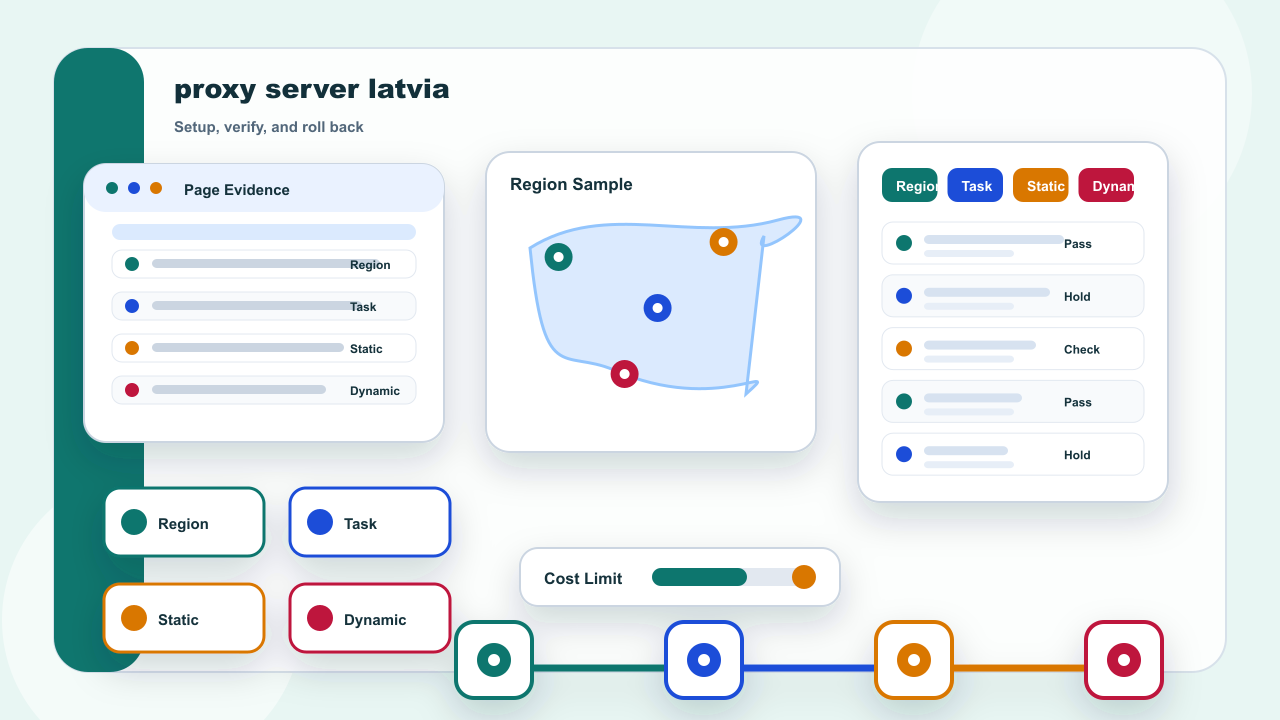
Proxy Server Latvia Meaning for Evidence Records explains the relevant settings, limits, visible results, and the proper role of static or dynamic
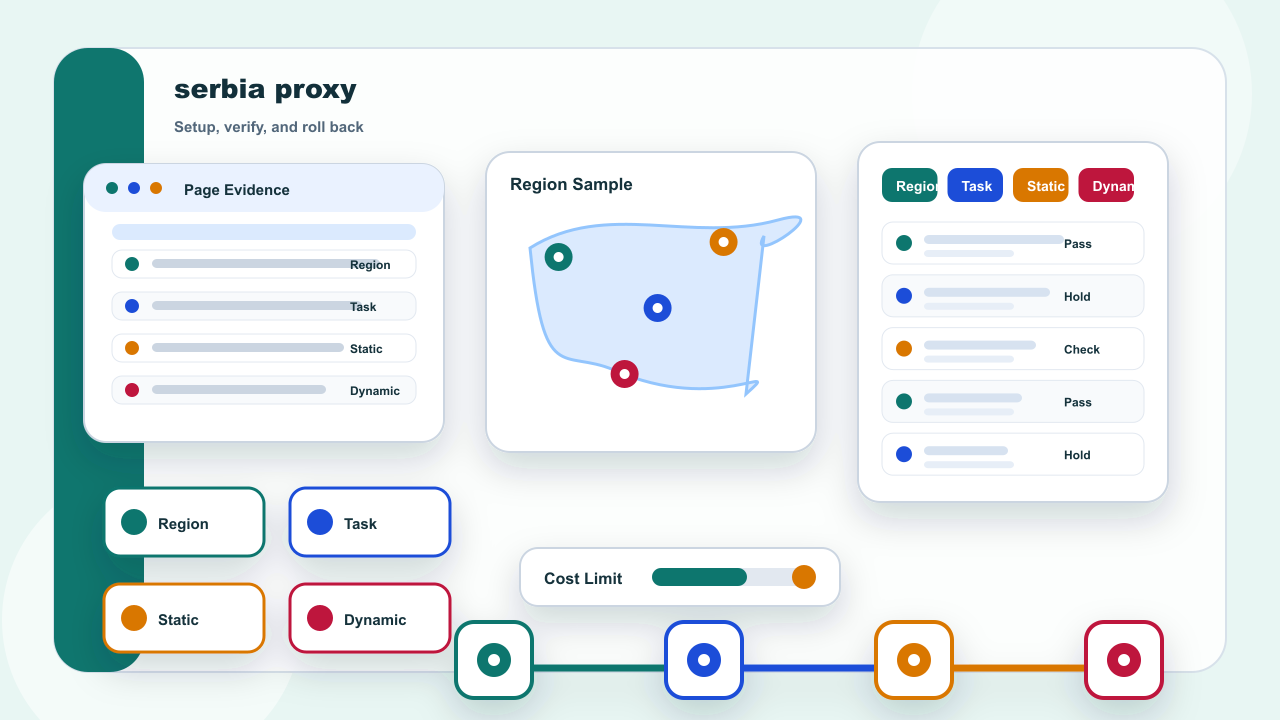
How to Troubleshoot Serbia Proxy Regional Page Checks explains the relevant settings, limits, visible results, and the proper role of static or dynamic
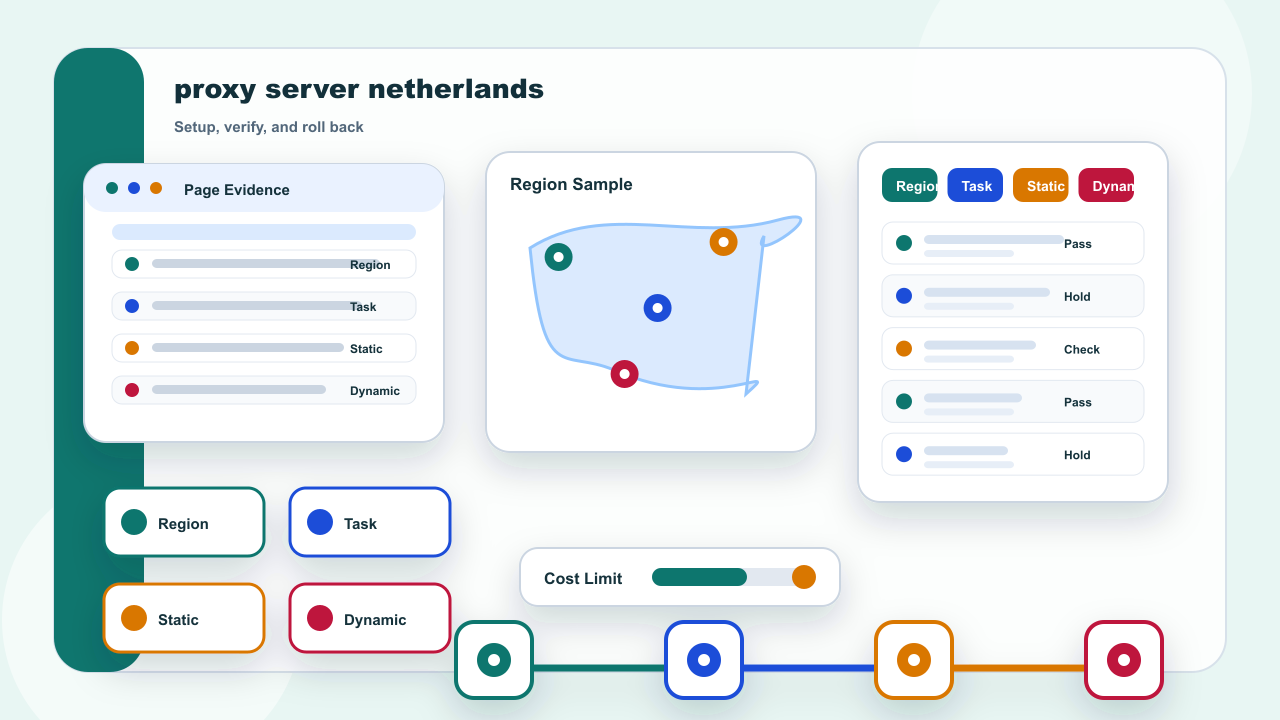
Netherlands Proxy Server Checks: Static or Dynamic Evidence explains the relevant settings, limits, visible results, and the proper role of static or
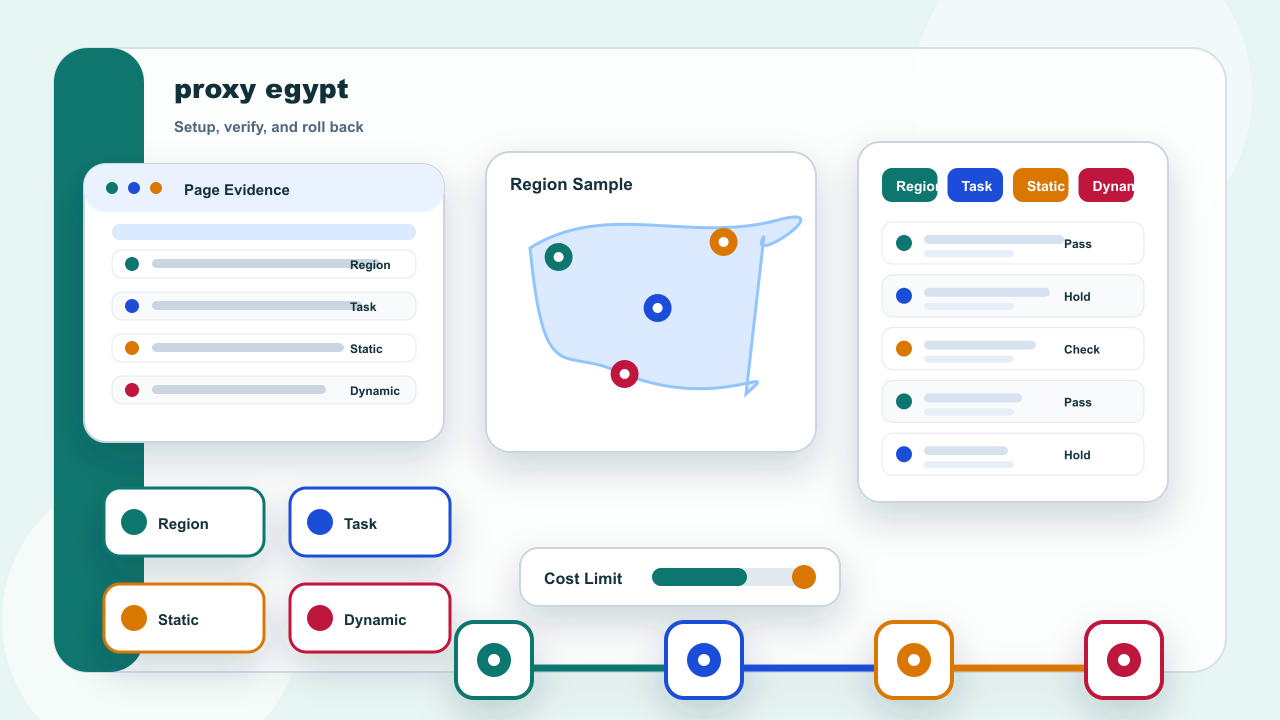
Proxy Egypt Meaning for Public Page Evidence Records explains the relevant settings, limits, visible results, and the proper role of static or dynamic
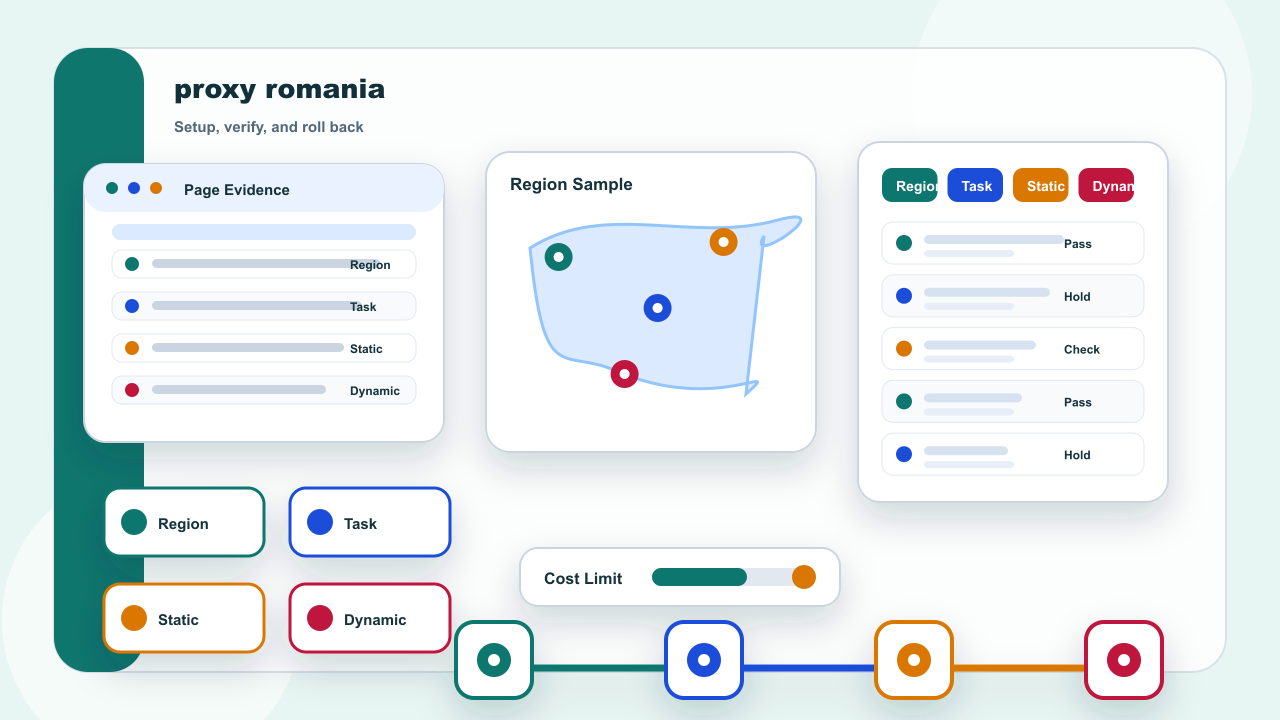
How to Troubleshoot Proxy Romania Labels and Samples explains the relevant settings, limits, visible results, and the proper role of static or dynamic
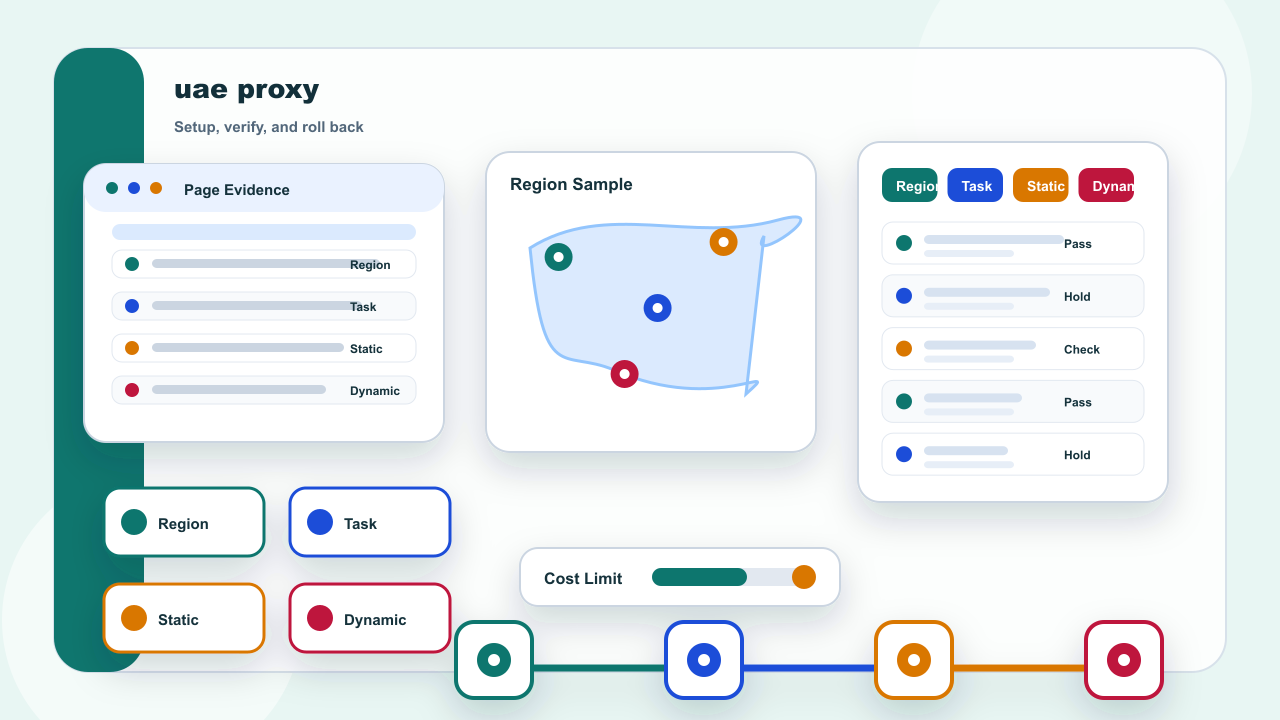
UAE Proxy Checks: What a Regional Sample Can and Cannot Prove explains the relevant settings, limits, visible results It emphasizes authorized use, careful
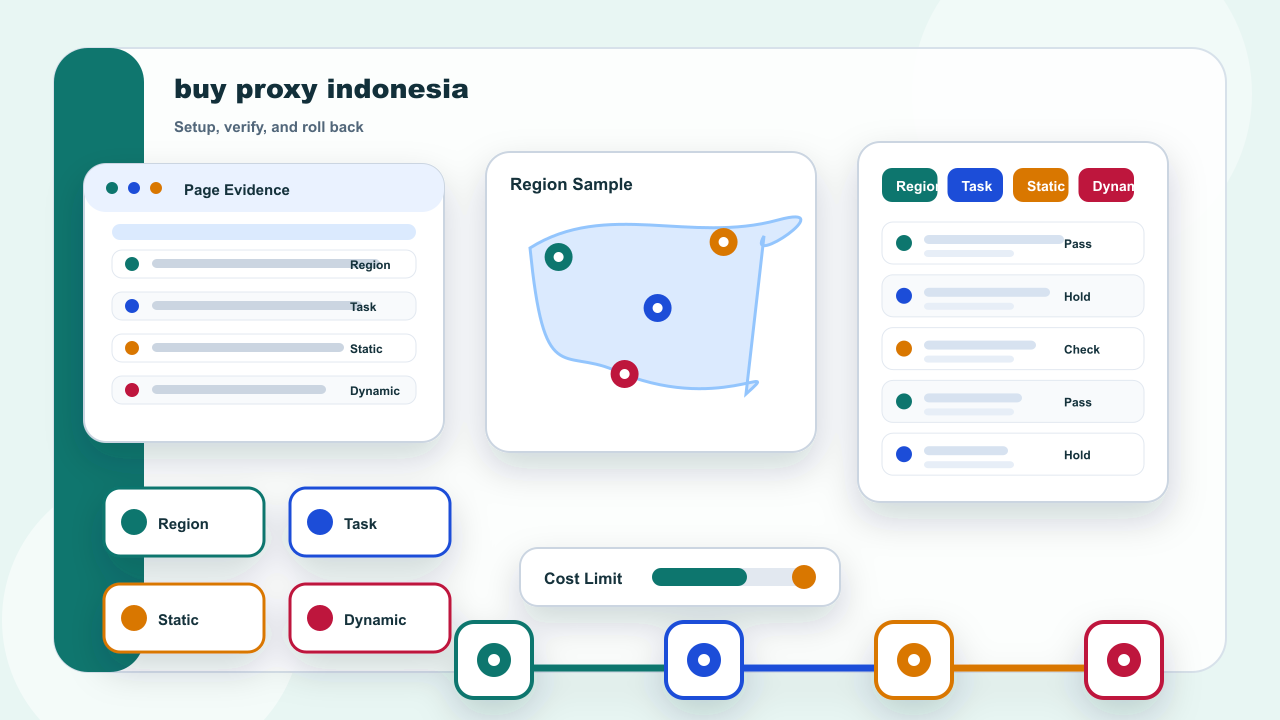
Buy Proxy Indonesia? Check Task Fit Before Ordering explains the relevant settings, limits, visible results, and the proper role of static or dynamic